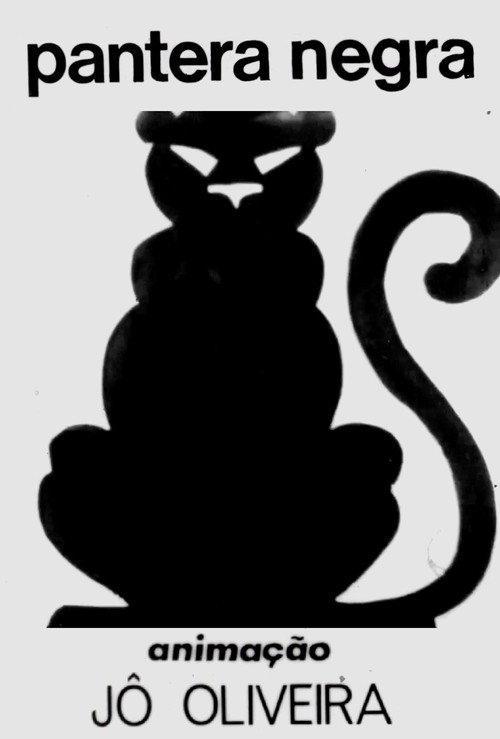
Pantera Negra 1968
Pantera Negra (1968) stands as a groundbreaking milestone in Brazilian animation, crafted by the visionary artist and illustrator Jô Oliveira. This hand-painted musical short film, just three minutes long, marked Oliveira's debut in the world of animation cinema.
Director: Jô Oliveira
Frequently Asked Questions
What is Pantera Negra (1968) about?
Pantera Negra (1968) is an abstract, hand-painted musical short film that explores movement and color through animation. Without dialogue, it relies on visuals and music to create a rhythmic, almost hypnotic experience. The film's title, meaning "Black Panther," hints at its mysterious, sleek aesthetic.
Who directed Pantera Negra?
Pantera Negra was directed by Jô Oliveira, a Brazilian artist and illustrator who pioneered animation in the country during the 1960s.
Who stars in Pantera Negra?
Cast details for Pantera Negra (1968) are not publicly available, as the film is an experimental animation without credited actors.
Is Pantera Negra (1968) worth watching?
While Pantera Negra (1968) is more a historical curiosity than a mainstream watch, its artistic ambition and hand-painted technique make it fascinating for animation fans. Its brevity and abstract style may not appeal to all, but it's a must-see for those interested in Brazil's cinematic heritage.
How long is Pantera Negra?
Pantera Negra (1968) has a runtime of 3 minutes.
About Pantera Negra (1968) — Brazil's Pioneering Hand-Painted Animation Short
Pantera Negra (1968) stands as a groundbreaking milestone in Brazilian animation, crafted by the visionary artist and illustrator Jô Oliveira. This hand-painted musical short film, just three minutes long, marked Oliveira's debut in the world of animation cinema. Created during his involvement with the Fotograma group—a collective dedicated to promoting the art of animation in Brazil—this experimental piece blends vivid visuals with rhythmic storytelling. The film's abstract yet playful style immerses viewers in a dreamlike world, where color and sound merge to evoke a sense of movement and emotion. While simple in structure, its artistic ambition captures the spirit of innovation that defined Brazil's mid-century creative scene.
As a precursor to the country's later animation renaissance, Pantera Negra reflects the experimental spirit of its time. The film's hand-painted technique lends it a tactile, almost handcrafted quality, setting it apart from later digital animation trends. Though devoid of dialogue, its musical elements and dynamic imagery tell a story that's open to interpretation—whether as a whimsical tale or a symbolic exploration of movement and form. For animation enthusiasts and film historians, Pantera Negra (1968) remains a fascinating artifact, offering a glimpse into the early days of Brazil's animated artistry.