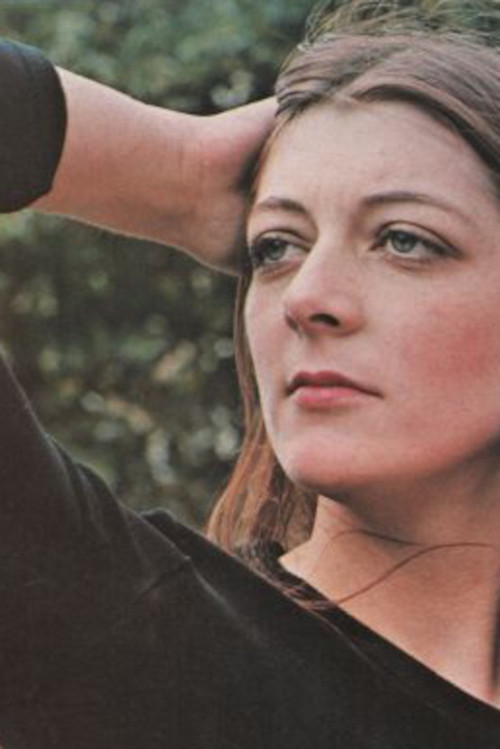
Phoelix 1979
Anna Ambrose's *Phoelix* (1979) is a quietly mesmerizing short film that explores the blurred lines between dreams and reality through the unlikely friendship of an elderly art collector (Philip Beaumont) and his young neighbor (Angela Coles), whose ...
Director: Anna Ambrose
Cast



Frequently Asked Questions
What is Phoelix (1979) about?
The film follows an aging art lover and his young neighbor, whose lives intertwine through shared fantasies and unconventional realities. Their bond explores the thin line between daydreams and lived experience, wrapped in a visually rich, introspective narrative.
Who directed Phoelix?
Phoelix was directed by Anna Ambrose, a filmmaker known for her distinctive, atmospheric approach to storytelling.
Who stars in Phoelix?
The cast includes Philip Beaumont as the art connoisseur, Angela Coles as his young neighbor, along with Amber Teran, Cosey Fanni Tutti, Bob Hornery, and Jonathan Hyde.
Is Phoelix (1979) worth watching?
While *Phoelix* isn't a mainstream pick, its dreamy visuals and thought-provoking themes make it a compelling watch for fans of short-form arthouse cinema. Its brief runtime and stylized approach reward those seeking something beyond conventional narratives.
How long is Phoelix?
Phoelix runs for 47 minutes.
About Phoelix (1979) — A Dreamlike Short Film on Art and Illusion
Anna Ambrose's *Phoelix* (1979) is a quietly mesmerizing short film that explores the blurred lines between dreams and reality through the unlikely friendship of an elderly art collector (Philip Beaumont) and his young neighbor (Angela Coles), whose unconventional job as a nude model fuels their shared fantasies. Set against a backdrop of stylized visuals and introspective pacing, the movie lingers on the textures of their interactions—both real and imagined—while playfully probing themes of representation, narrative construction, and the seductive power of daydreams. Though it doesn't shy away from philosophical undercurrents, *Phoelix* leans into its atmospheric, almost dreamlike aesthetic, crafting a mood that's equal parts elegant and enigmatic.
With a runtime of just 47 minutes, Ambrose's film feels like a condensed meditation on art and desire, where every glance and gesture carries weight. The performances by Beaumont and Coles anchor the story, grounding its more abstract elements in tangible emotion, while the film's restrained yet evocative style invites viewers to question where fantasy ends and reality begins. It's a fleeting but memorable experience for fans of arthouse cinema who appreciate films that linger long after the credits roll.