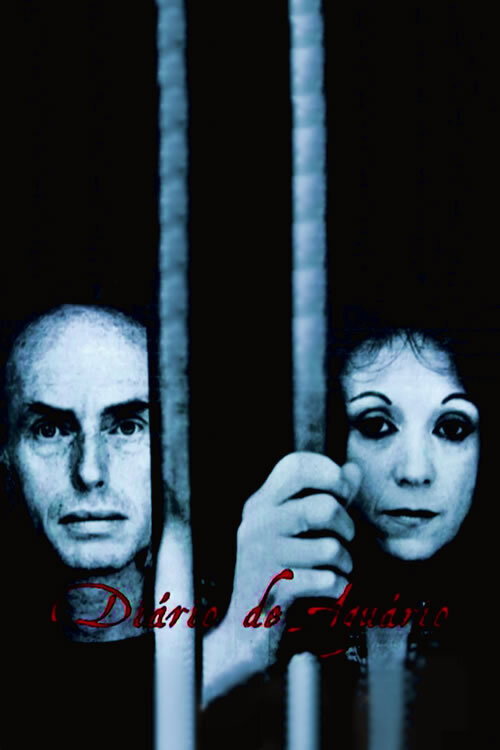
Diário De Aquário 2009
Dive into *Diário De Aquário (2009)*, a compelling documentary directed by Luiz Carlos Lacerda that peers into a pivotal moment of artistic resistance.
Director: Luiz Carlos Lacerda
Cast


Frequently Asked Questions
What is Diário De Aquário (2009) about?
This documentary follows the imprisoned diary pages of actress Judith Malina during her visit to Brazil in the 1970s. It chronicles her experiences with the Living Theater group amid the country's military dictatorship, blending personal reflection with the fight for artistic freedom.
Who directed Diário De Aquário?
Luiz Carlos Lacerda directed the film, crafting a visually poetic and politically charged portrait of a turbulent era.
Who stars in Diário De Aquário?
The documentary features key figures like Judith Malina, José Celso Martinez Corrêa, and Catarina Abdala, alongside their theatrical collaborators.
Is Diário De Aquário (2009) worth watching?
A concise yet powerful documentary, *Diário De Aquário* offers a rare glimpse into artistic defiance during oppression. Though short, its themes resonate deeply, making it a compelling watch for history and theater enthusiasts alike.
How long is Diário De Aquário?
The film runs for 32 minutes, delivering a concise yet impactful narrative.
About Diário De Aquário (2009) — Judith Malina's Imprisoned Diaries During Brazil's Military Dictatorship
Dive into *Diário De Aquário (2009)*, a compelling documentary directed by Luiz Carlos Lacerda that peers into a pivotal moment of artistic resistance. The film centers on Judith Malina, a legendary actress whose visit to Brazil coincided with her imprisonment during the brutal military dictatorship. Through Malina's diary pages and the activities of the Living Theater group, the documentary paints a vivid portrait of creativity under oppression, blending personal reflections with historical urgency. Shot in just 32 minutes, the film captures the raw atmosphere of 1970s Brazil, where art became both a weapon and a sanctuary.
This cinematic meditation explores themes of freedom, censorship, and the transformative power of theater in the face of authoritarianism. Lacerda's direction infuses the project with an intimate, almost poetic tone, drawing viewers into Malina's world through archival footage and firsthand accounts. The documentary isn't just a historical record—it's a tribute to the artists who dared to challenge the status quo. A must-watch for fans of political cinema and the Living Theater's enduring legacy.