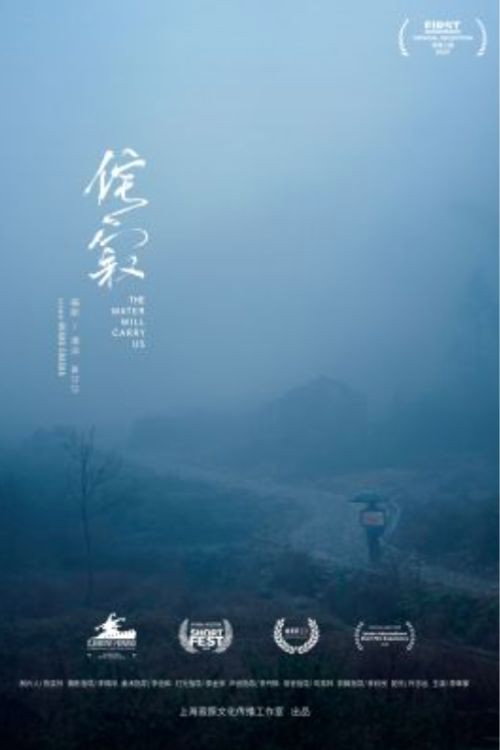
The Water Will Carry Us 2020
In *The Water Will Carry Us (2020)*, directed by Shasha Huang, an aging carpenter in a quiet southern Chinese village embarks on a quiet quest to deliver a handcrafted wooden-framed mirror. But the man who commissioned it has vanished without a trace.
Director: Shasha Huang
Frequently Asked Questions
What is The Water Will Carry Us (2020) about?
The film follows an elderly carpenter who handcrafts a wooden-framed mirror, only to discover the client has disappeared. Hauling the mirror through shifting villages, he searches for answers—and the reflective surface becomes a haunting witness to unseen transformations.
Who directed The Water Will Carry Us?
The short film was directed by Shasha Huang, whose visual storytelling gently weaves mystery and stillness into the narrative.
Who stars in The Water Will Carry Us?
The main cast includes an unidentified senior actor playing the carpenter, with supporting roles by village locals whose faces reflect the subtle changes around them.
Is The Water Will Carry Us (2020) worth watching?
Though unrated, this 30-minute short thrives on atmosphere and quiet depth rather than plot. Fans of contemplative cinema will appreciate its poetic visuals and understated themes of memory and loss.
How long is The Water Will Carry Us?
The Water Will Carry Us has a runtime of approximately 30 minutes.
About The Water Will Carry Us (2020) — A reflective journey through southern China's vanishing landscapes
In *The Water Will Carry Us (2020)*, directed by Shasha Huang, an aging carpenter in a quiet southern Chinese village embarks on a quiet quest to deliver a handcrafted wooden-framed mirror. But the man who commissioned it has vanished without a trace. Laden with the unfinished work, the carpenter wanders through changing landscapes—past half-empty villages and shifting townscapes—where the mirror becomes a lens for reflections not just of the world around him, but of something far more mysterious beneath the surface.
The film unfolds like a visual poem, blending quietude with subtle unease. As the carpenter moves through time and terrain, the mirror seems to capture more than scenery—it hints at unseen currents altering lives and landscapes alike. Huang crafts a meditative mood where absence speaks louder than presence, and the journey itself becomes a metaphor for memory, change, and the quiet persistence of tradition in a rapidly modernizing world.