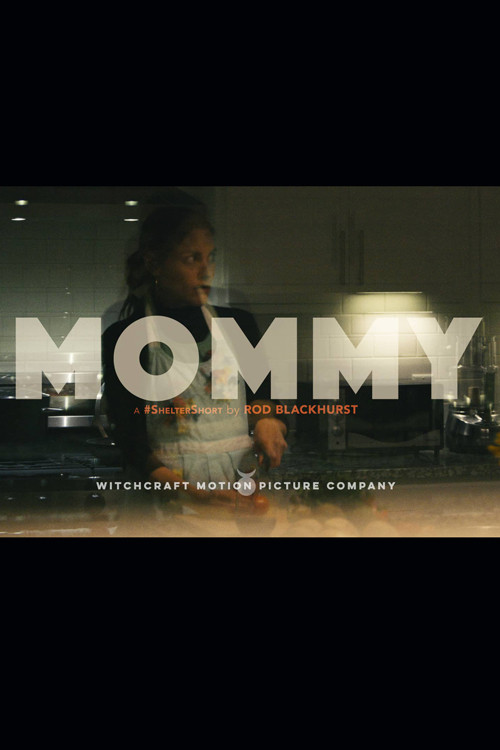
Mommy 2020
Shot entirely during the pandemic lockdown, *Mommy (2020)* is a chilling micro-short from director Rod Blackhurst that distills claustrophobia into just five minutes.
Director: Rod Blackhurst
Frequently Asked Questions
What is Mommy (2020) about?
A pulse-pounding micro-horror born from lockdown, *Mommy* turns everyday sounds into sources of dread as a lone figure confronts unseen intruders in their own home. The film thrives on atmosphere, using silence and shadow to blur the line between reality and hallucination.
Who directed Mommy?
Rod Blackhurst, the visionary behind cinematic chillers, helmed this intense quarantine-era short.
Who stars in Mommy?
Cast details for *Mommy (2020)* are not publicly listed.
Is Mommy (2020) worth watching?
While it's a niche title with no IMDb rating, its tight 5-minute run time makes *Mommy* a perfect bite-sized dose of tension for horror fans. It's less about plot and more about the unsettling journey, rewarding those who crave atmospheric scares over jump cuts.
How long is Mommy?
Runtime is listed as 5 minutes.
About Mommy (2020) — A Haunting Quarantine Horror in Just Five Minutes
Shot entirely during the pandemic lockdown, *Mommy (2020)* is a chilling micro-short from director Rod Blackhurst that distills claustrophobia into just five minutes. Framed through the lens of quarantine tension, the film layers dread over every mundane moment—groceries, deliveries, the buzz of an empty apartment—turning routine sounds into creeping paranoia. With horror distilled to its most intimate core, Blackhurst crafts a relentless mood of isolation where the only visible threat is the creeping uncertainty inside four walls. The stark runtime magnifies every uncomfortable silence, every shadow flicker, leaving viewers questioning what, exactly, lurked just out of frame.
As a #ShelterShort birthed from pandemic realities, *Mommy* isn't just a genre exercise; it's a time capsule of collective anxiety, wrapped in the unnerving promise that something unseen may already be inside with you. The film's power lies in what it doesn't show—inviting audiences to project their own fears onto the blank spaces between frames, where dread is always one step ahead of the eye.