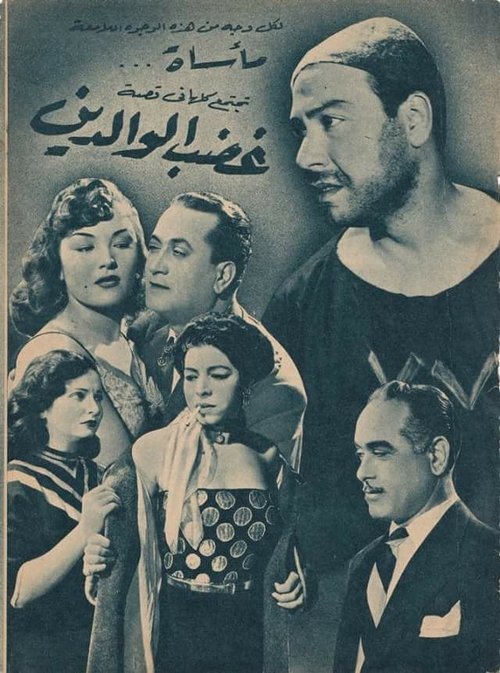
Ghadab El Waledain 1952
Ghadab El Waledain (1952), a classic Egyptian drama helmed by Hassan Al-Imam, explores the clash between pride and acceptance in post-war society.
Director: Hassan Al-Imam
Cast





Frequently Asked Questions
What is Ghadab El Waledain (1952) about?
The film follows a young graduate who lands a job through his father's connections but hides his working-class background out of embarrassment. His marriage to a dancer defies his father's wishes, sparking a chain of events that challenges their relationship and social standing.
Who directed Ghadab El Waledain?
Hassan Al-Imam directed this classic Egyptian drama, known for his insightful storytelling and memorable character portrayals.
Who stars in Ghadab El Waledain?
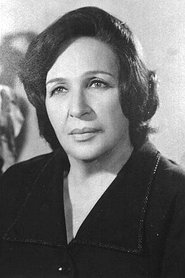
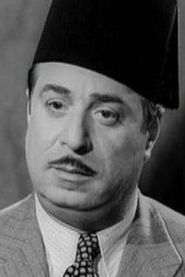
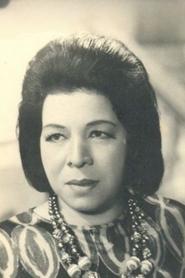
The film features Shadia and Mohsen Sarhan as the central figures, supported by Amina Rizk, Hussein Reyaad, and Samiha Tawfiq.
Is Ghadab El Weldain (1952) worth watching?
As a well-crafted drama with strong performances and timeless themes, Ghadab El Weldain offers a compelling look at societal pressures and familial bonds. While unrated, its dramatic depth makes it a standout in classic Egyptian cinema.
How long is Ghadab El Weldain?
The film runs for 120 minutes, a common runtime for mid-century Egyptian dramas.
About Ghadab El Waledain (1952) — A Father-Son Drama of Pride, Shame, and Love
Ghadab El Waledain (1952), a classic Egyptian drama helmed by Hassan Al-Imam, explores the clash between pride and acceptance in post-war society. The story follows a young man who lands a white-collar job through his father's efforts, only to hide his working-class roots out of shame. His relationship with a dancer—despite his father's objections—unfolds against the backdrop of societal expectations, revealing how love and class can reshape destinies. With sharp character studies and emotional depth, the film contrasts the rigid structures of the era with the unpredictable turns of fate.
The cast, led by Shadia and Mohsen Sarhan, delivers powerful performances that highlight the film's themes of familial tension and personal growth. As class divides and generational conflicts unfold, Ghadab El Waledain (1952) becomes more than a drama—it's a reflection on humility, ambition, and the unexpected paths life takes.