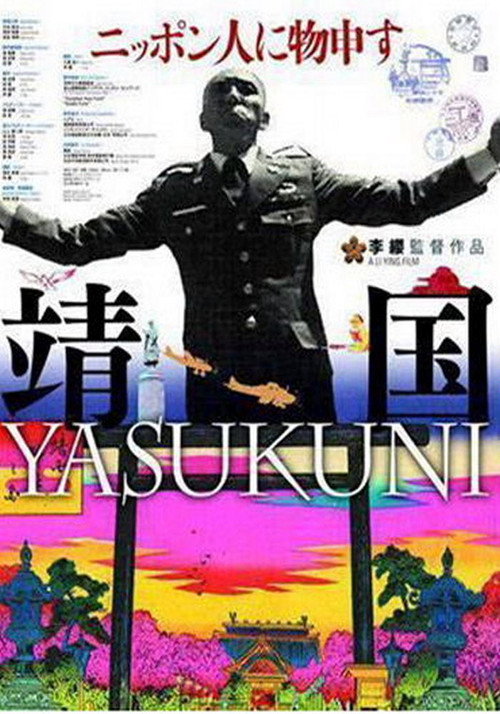
Yasukuni 2008
Director Li Ying's gripping documentary *Yasukuni* (2008) peels back the layers of one of Japan's most controversial landmarks.
Director: Li Ying
Cast
Frequently Asked Questions
What is Yasukuni (2008) about?
*Yasukuni* (2008) delves into the history and legacy of Tokyo's Yasukuni Shrine, home to over two million war dead—including convicted war criminals like Hideki Tōjō. The film explores its political controversies, sword-making traditions, and the complex emotions tied to honoring the fallen amid Japan's historical reckonings.
Who directed Yasukuni?
The documentary *Yasukuni* (2008) was directed by Chinese filmmaker Li Ying, known for his insightful and often provocative documentaries on historical and cultural themes.
Who stars in Yasukuni?
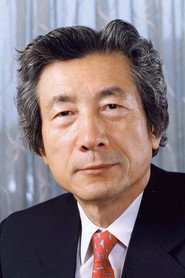
While *Yasukuni* is a documentary, notable figures like former Japanese Prime Minister Junichiro Koizumi and commentator Naoharu Kariya play central roles in its narrative.
Is Yasukuni (2008) worth watching?
As a documentary, *Yasukuni* (2008) offers a rare, unfiltered look at one of Japan's most polarizing institutions. Its blend of history, politics, and cultural symbolism makes it compelling for viewers interested in wartime legacy and national identity—even if its perspective may challenge some assumptions.
How long is Yasukuni?
The runtime for *Yasukuni* (2008) is 123 minutes, providing ample time to explore its intricate themes and visual storytelling.
About Yasukuni (2008) — A documentary unraveling Japan's war shrine controversy
Director Li Ying's gripping documentary *Yasukuni* (2008) peels back the layers of one of Japan's most controversial landmarks. Nestled in Tokyo's Chiyoda district, the Yasukuni Shrine houses the spirits of over two million war dead—including more than 1,000 convicted war criminals from the 1946–48 Tokyo tribunal, among them the infamous Hideki Tōjō. Beyond its headline-grabbing political clashes, the film immerses viewers in the shrine's lesser-known traditions, particularly its revered sword-making heritage, where the Yasukuni blade becomes a symbolic thread weaving through history, memory, and modern tensions.
With a tone that balances reverence and scrutiny, *Yasukuni* examines how a place of remembrance can ignite fierce debates about national identity, historical accountability, and the enduring ghosts of war. Li Ying's lens captures both the shrine's solemn rituals and the fiery political storms it stirs, offering a nuanced portrait of a site that remains at the heart of Japan's ongoing dialogue with its past.