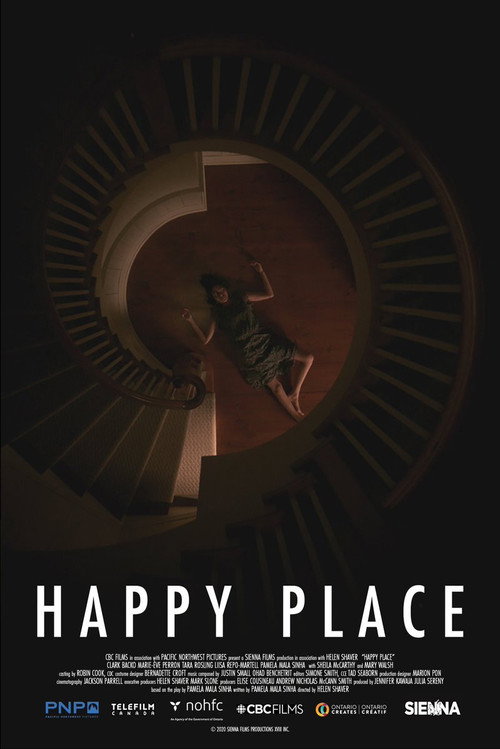
Happy Place 2020
Samira steps into an unexpected sanctuary when she's admitted to an inpatient facility after her suicide attempt. Dubbed 'the zoo' by staff, the place becomes a microcosm of shared humanity where residents reveal their quirks and vulnerabilities beneath the surface-level calm.
Director: Helen Shaver
Cast


Frequently Asked Questions
What is Happy Place (2020) about?
After a suicide attempt, Samira enters a mental health facility where patients and staff form an unlikely community. As she navigates the facility's quirks and the residents' idiosyncrasies, she discovers that healing isn't linear—but it's possible when shared with others.
Who directed Happy Place?
Happy Place was directed by Helen Shaver, known for her evocative storytelling and nuanced character-driven dramas.
Who stars in Happy Place?
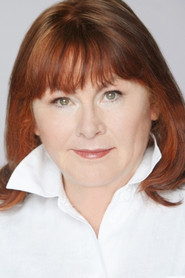
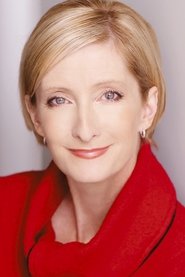
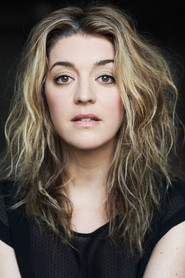
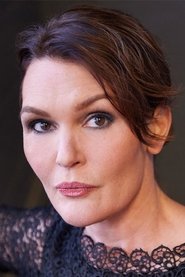
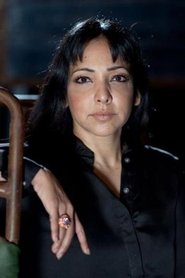
The film stars Clark Backo, Mary Walsh, Sheila McCarthy, Marie-Ève Perron, and Liisa Repo-Martell in pivotal roles.
Is Happy Place (2020) worth watching?
While unrated on IMDb, Happy Place is a compelling drama that tackles mental health with sensitivity and humor. Its intimate scale and strong performances make it worth seeking out for fans of character-focused films, even if it isn't a crowd-pleaser.
How long is Happy Place?
Happy Place runs for 90 minutes.
About Happy Place (2020): A Raw Drama of Healing and Odd Friendships
Samira steps into an unexpected sanctuary when she's admitted to an inpatient facility after her suicide attempt. Dubbed 'the zoo' by staff, the place becomes a microcosm of shared humanity where residents reveal their quirks and vulnerabilities beneath the surface-level calm. Director Helen Shaver crafts a drama that balances quiet introspection with bursts of dark humor, painting a portrait of healing as a collective unraveling. The atmosphere is intimate yet unpredictable, anchored by performances that crackle with authenticity as the group slowly stitches together a makeshift family. Happy Place (2020) doesn't flinch from the rawness of mental health struggles, but it finds hope in the smallest acts of connection.
The film's strength lies in its ensemble, led by standout turns from Clark Backo and Mary Walsh, whose chemistry crackles against the institutional backdrop. As routines and rituals blur into fragile routines, the story asks whether sanctuary can ever truly feel like home—or if freedom only exists in the messy, unpredictable spaces between people.