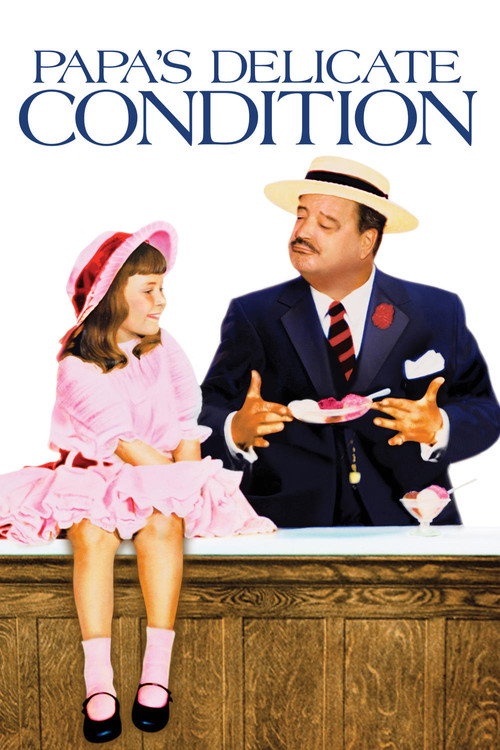
Papa's Delicate Condition 1963
"Follow the Gay Parade!"
In this 1963 family comedy, Jackie Gleason stars as a lovable but reckless railroad superintendent whose passion for liquor threatens to unravel his domestic bliss.
Director: George Marshall
Cast
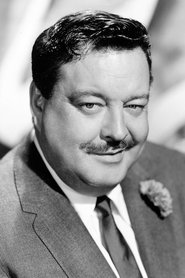
Jackie Gleason
Jack Griffith

Glynis Johns
Amberlyn Griffith
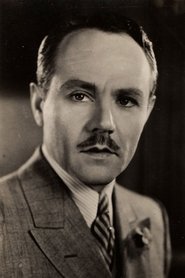
Charles Ruggles
Anthony Ghio

Laurel Goodwin
Augusta Griffith
Linda Bruhl
Corrie

Ned Glass
Mr. Sparrow

Murray Hamilton
Mr. Harvey

Elisha Cook Jr.
Mr. Keith
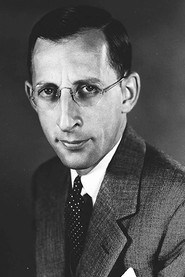
Charles Lane
Mr. Cosgrove

Claude Johnson
Norman
Frequently Asked Questions
What is Papa's Delicate Condition (1963) about?
The film centers on a railroad superintendent whose love of drink strains his marriage and relationships, while his younger daughter's unshakable loyalty keeps their bond unbroken. It's a gentle yet engaging comedy about family dynamics and self-improvement amid the backdrop of 1960s America.
Who directed Papa's Delicate Condition?
The picture was helmed by George Marshall, a filmmaker known for blending humor with heartfelt storytelling in mid-century comedies.
Who stars in Papa's Delicate Condition?
Jackie Gleason leads the cast alongside Glynis Johns, Charles Ruggles, and Laurel Goodwin, with standout support from Ned Glass.
Is Papa's Delicate Condition (1963) worth watching?
As a charming, old-school comedy from the early '60s, *Papa's Delicate Condition* offers a nostalgic slice of Americana with Gleason's signature wit. While it may lack modern pacing, its themes of family and redemption still resonate, making it a pleasant watch for fans of classic comedies.
How long is Papa's Delicate Condition?
The film runs for 98 minutes, a perfect runtime for a feel-good mid-century comedy.
About Papa's Delicate Condition (1963) — A Mid-Century Comedy of Family, Drink, and Heart
In this 1963 family comedy, Jackie Gleason stars as a lovable but reckless railroad superintendent whose passion for liquor threatens to unravel his domestic bliss. Directed by George Marshall, the film follows his chaotic journey as his drinking alienates his wife and eldest daughter, while his spirited younger daughter remains steadfastly by his side.
Packed with lighthearted misadventures, *Papa's Delicate Condition* captures the warmth and humor of mid-century Americana, blending slapstick charm with heartfelt moments. The screenplay explores themes of responsibility, family loyalty, and the struggle between personal indulgence and domestic harmony, all wrapped in the gentle satire of an era when social expectations often clashed with personal freedom.