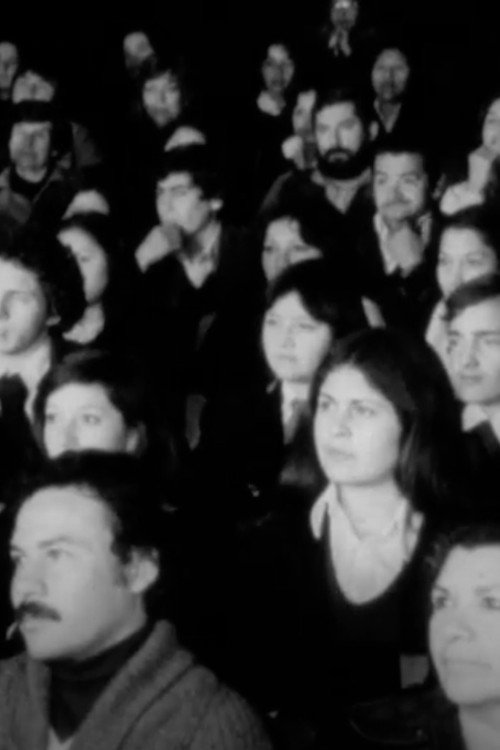
Hoy es jueves cinematográfico 1978
In *Hoy es jueves cinematográfico* (1978), Chilean director Ignacio Agüero captures a fleeting yet magical moment in 1970s cinema culture.
Director: Ignacio Agüero
Frequently Asked Questions
What is *Hoy es jueves cinematográfico* (1978) about?
This 1978 short film by Ignacio Agüero explores the ritual of weekly moviegoing in Chile, where a man eagerly attends a film screening, savoring the experience before reluctantly returning to reality. It's a poetic reflection on the fleeting magic of cinema and shared cultural moments.
Who directed *Hoy es jueves cinematográfico*?
Ignacio Agüero directed this short film. Known for his observational and poetic style, Agüero crafts a tender portrait of communal entertainment in 1970s Chile.
Who stars in *Hoy es jueves cinematográfico*?
Cast details for this 1978 short film are not publicly listed, focusing instead on the collective experience of moviegoers rather than individual performances.
Is *Hoy es jueves cinematográfico* (1978) worth watching?
While brief, this short film offers a poignant glimpse into a bygone era of cinematic culture. Its minimalist storytelling and nostalgic tone make it a unique watch, especially for fans of Chilean cinema or reflective short films. Whether it's 'worth it' depends on your appreciation for atmospheric, slice-of-life cinema.
How long is *Hoy es jueves cinematográfico*?
The runtime for *Hoy es jueves cinematográfico* is 4 minutes.
About Hoy es jueves cinematográfico (1978) — A short film capturing Chile's cinematic nostalgia in four minutes
In *Hoy es jueves cinematográfico* (1978), Chilean director Ignacio Agüero captures a fleeting yet magical moment in 1970s cinema culture. This four-minute family short film immerses viewers in the nostalgic ritual of weekly moviegoing in Chile, where families eagerly flip through newspapers to plan their Thursday outings. The story follows a man settling into his seat, his excitement palpable as the film unfolds before him, his favorite stars flickering on the screen. The mood shifts as the credits roll and the theater darkens, a bittersweet reminder of reality's return.
Through minimalist storytelling and a keen eye for atmosphere, Agüero reflects on the transient joy of shared experiences and the power of cinema to transport us—if only for a few fleeting moments. The film's understated charm lies in its simplicity, evoking a time when communal entertainment was the heart of social life, and the magic of the movies felt like a weekly miracle.