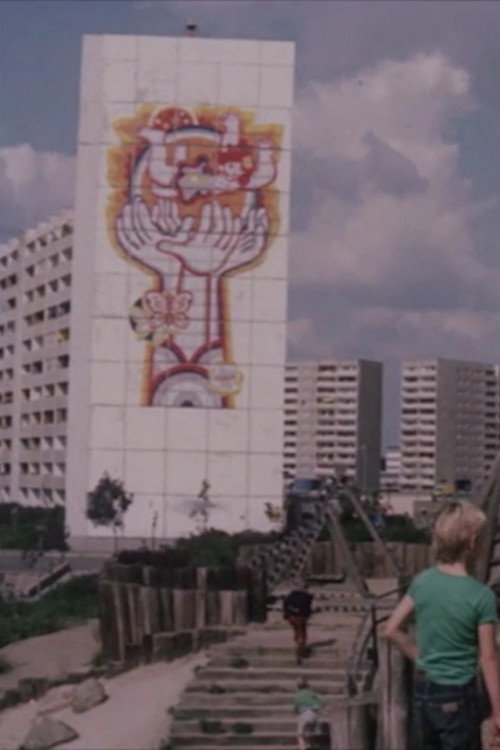
Neue Adresse: Thälmannpark 1987
This 1987 East German documentary by Alfons Machalz captures the transformation of a former industrial site into a vibrant community hub.
Director: Alfons Machalz
Frequently Asked Questions
What is Neue Adresse: Thälmannpark (1987) about?
This East German documentary documents the creation of Thälmannpark, a new residential area in East Berlin, showcasing the transition from an active gasworks to the dedication of the Thälmann monument. The film highlights the urban planning efforts and community efforts that shaped this landmark development.
Who directed Neue Adresse: Thälmannpark?
The film was directed by Alfons Machalz, a noted figure in East German documentary filmmaking, known for his observational and socially conscious work.
Who stars in Neue Adresse: Thälmannpark?
Cast details for this documentary are not listed, as the focus remains on the workers, planners, and historical events rather than individual performers.
Is Neue Adresse: Thälmannpark (1987) worth watching?
As a 20-minute documentary, it offers a concise yet engaging look at a pivotal moment in East German urban history. While it lacks a rating, its historical and architectural significance makes it intriguing for fans of political or social documentaries.
How long is Neue Adresse: Thälmannpark?
The runtime of 'Neue Adresse: Thälmannpark' is 20 minutes.
About Neue Adresse: Thälmannpark (1987) — The Fascinating Transformation of an East German Neighborhood
This 1987 East German documentary by Alfons Machalz captures the transformation of a former industrial site into a vibrant community hub. 'Neue Adresse: Thälmannpark' chronicles the transition from the still-active gasworks to the inauguration of the Thälmann monument, offering a glimpse into urban renewal during the late Cold War era. Shot in a crisp, observational style, the film immerses viewers in the daily operations of the gasworks while highlighting the symbolic significance of the new public space. Themes of progress, collective effort, and architectural renewal blend seamlessly as the documentary celebrates the birth of a neighborhood that would become a cultural landmark.
The film's atmosphere is one of quiet optimism, blending industrial grit with civic pride. While the cast remains uncredited, the documentary's focus remains squarely on the workers, planners, and residents shaping Thälmannpark. As a historical artifact, 'Neue Adresse: Thälmannpark' serves as both a time capsule and a testament to the power of community-driven development, making it a compelling watch for fans of urban history and political cinema.