Kollwitz and Her Children 1971
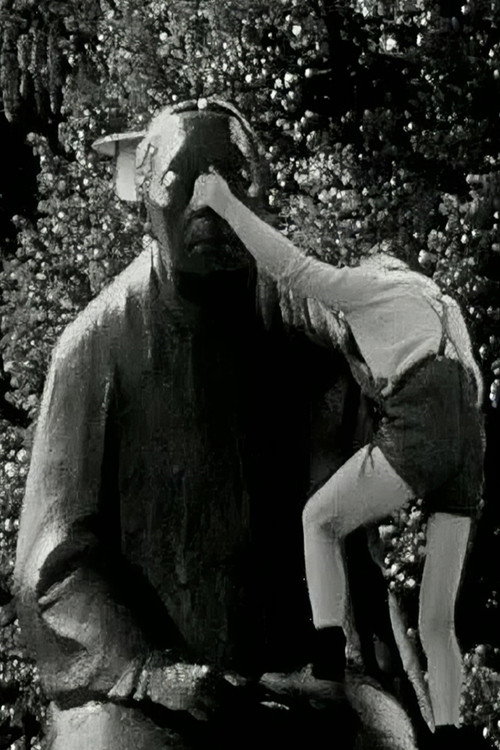
In the heart of East Berlin's Kollwitzplatz, a poignant scene unfolds: children clamber over Käthe Kollwitz's monument, their laughter contrasting with the stern disapproval of nearby adults.
Director: Christa Mühl
Frequently Asked Questions
What is Kollwitz and Her Children (1971) about?
This charming short documentary captures the playful tension between children and adults in East Berlin's Kollwitzplatz, where a monument to artist Käthe Kollwitz becomes a playground. Director Christa Mühl explores how art is reinterpreted by the young, turning a stern memorial into a space of joy and rebellion.
Who directed Kollwitz and Her Children?
Christa Mühl directed this 1971 documentary, known for her inventive montage style that blends whimsy with deeper themes.
Who stars in Kollwitz and Her Children?
Cast information for this documentary is not listed.
Is Kollwitz and Her Children (1971) worth watching?
While short, this documentary's playful yet thoughtful approach makes it a delightful watch for fans of experimental films. Its unique blend of jazz, montage, and social commentary offers a fresh take on historical art and public space.
How long is Kollwitz and Her Children?
Kollwitz and Her Children runs for 10 minutes.
About Kollwitz and Her Children (1971) — A playful documentary about art, freedom, and the next generation
In the heart of East Berlin's Kollwitzplatz, a poignant scene unfolds: children clamber over Käthe Kollwitz's monument, their laughter contrasting with the stern disapproval of nearby adults. Christa Mühl's delightfully sharp 1971 documentary, *Kollwitz and Her Children*, captures this playful rebellion against solemnity, weaving a visual symphony of lightness and depth. Set to the playful rhythms of Belgian cembalo jazz, Mühl's signature montage style—playful yet probing—transforms a simple playground moment into a meditation on art, freedom, and the unexpected ways history's monuments are claimed by the future.
Director Christa Mühl crafts a film that's as much about perspective as it is about place. Through clever pacing and a touch of whimsy, she invites viewers to ponder what Gustav Seitz, the monument's creator, might have intended when he envisioned Käthe Kollwitz's legacy. The adults' disapproval lingers like a shadow, only to dissolve as Mühl's ingenious storytelling reveals its layers. This ten-minute documentary isn't just a snapshot of a moment in time—it's a celebration of how art, even in its most serious forms, can be reclaimed and reimagined by the next generation.