Drancy 1941–1944, the Internment Camp Next Door 2012
Drancy 1941–1944, the Internment Camp Next Door (2012) sheds light on one of France's most haunting historical sites during World War II.
Director: Philippe Saada
Cast
Frequently Asked Questions
What is Drancy 1941–1944, the Internment Camp Next Door (2012) about?
This documentary delves into the Drancy internment camp in France, which served as a central transit point for over 76,000 Jewish deportees during WWII. It examines the camp's role in the Holocaust and the human stories behind the tragedy.
Who directed Drancy 1941–1944, the Internment Camp Next Door?
Philippe Saada directed this gripping documentary, bringing historical depth and emotional resonance to the subject.
Who stars in Drancy 1941–1944, the Internment Camp Next Door?
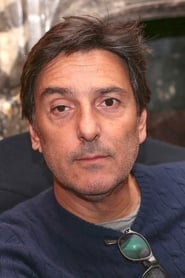
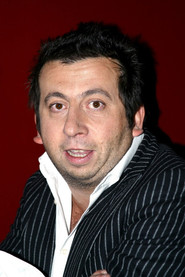
The film features notable contributions from survivors and historians, including Charles Palant, Yvan Attal, Tal Bruttmann, and Annette Wieviorka.
Is Drancy 1941–1944, the Internment Camp Next Door (2012) worth watching?
While this documentary isn't rated on IMDb, its historical significance and poignant storytelling make it a compelling watch for those interested in WWII history and Holocaust memorials. Its serious tone and subject matter may not appeal to all viewers, but it serves as an important record of the past.
How long is Drancy 1941–1944, the Internment Camp Next Door?
Runtime details are not listed.
About Drancy 1941–1944, the Internment Camp Next Door (2012) — A Haunting Exploration of WWII History
Drancy 1941–1944, the Internment Camp Next Door (2012) sheds light on one of France's most haunting historical sites during World War II. Directed by Philippe Saada, this powerful documentary explores the Drancy internment camp, a pivotal transit hub where nearly 76,000 Jews were deported to concentration camps. Through archival footage, survivor testimonies, and expert analysis, the film reconstructs the grim reality of life inside Drancy, revealing the systematic cruelty of the Vichy regime and its collaborators. The atmosphere is heavy with grief and reflection, as the documentary forces viewers to confront a dark chapter of French history.
Philippe Saada masterfully blends historical rigor with emotional weight, uncovering the untold stories of those who passed through Drancy. The film features contributions from historians like Tal Bruttmann and Annette Wieviorka, alongside moving interviews with survivors such as Charles Palant. As a war documentary, it serves as both a memorial and a stark reminder of humanity's capacity for atrocity—and the importance of remembrance.