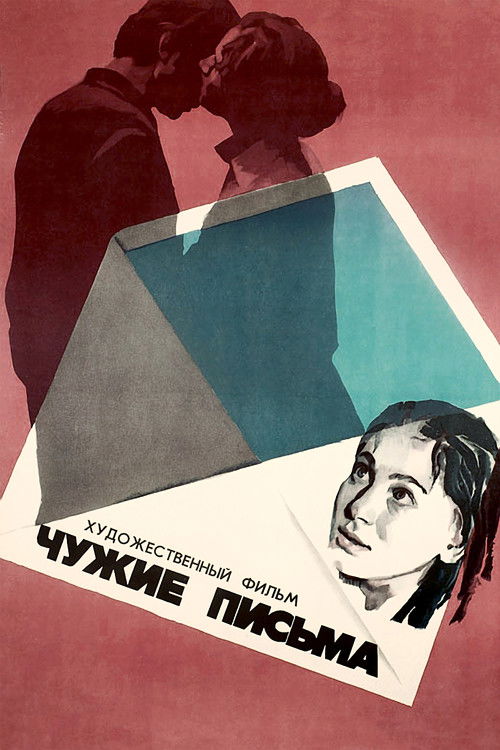
Other People's Letters 1975
Set in the constrained world of a Soviet-era small town, *Other People's Letters* (1975) unfolds as a dark drama about Zina, a precocious sixteen-year-old whose inability to connect with others drives her toward manipulation and cruelty.
Director: Ilya Averbakh
Cast


Frequently Asked Questions
What is *Other People's Letters* (1975) about?
The film follows Zina, a manipulative 16-year-old in a 1970s Russian town, whose desperate need for control leads her to sabotage relationships and frame others as victims. When her schemes backfire, her kind-hearted teacher Vera steps in, revealing the emptiness behind Zina's facade.
Who directed *Other People's Letters*?
Ilya Averbakh helmed this psychological drama, known for his intimate character studies that explore the complexities of human behavior in constrained settings.
Who stars in *Other People's Letters*?
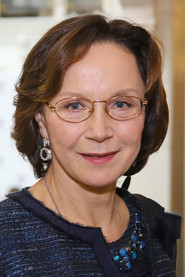
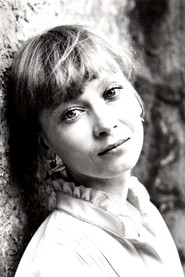
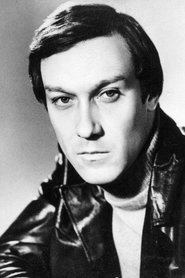
The film features leading performances from Irina Kupchenko as Zina, Oleg Yankovskiy, Svetlana Smirnova, Ivan Bortnik, and Zinaida Sharko.
Is *Other People's Letters* (1975) worth watching?
While not widely rated, this atmospheric drama offers a compelling character study of teenage alienation and manipulation, elevated by sharp direction and strong performances. Fans of Soviet-era psychological films will find it a quietly gripping experience.
How long is *Other People's Letters*?
*Other People's Letters* runs 89 minutes.
About Other People's Letters (1975) — A Soviet teen's toxic games and the teacher who tried to save her
Set in the constrained world of a Soviet-era small town, *Other People's Letters* (1975) unfolds as a dark drama about Zina, a precocious sixteen-year-old whose inability to connect with others drives her toward manipulation and cruelty. Directed by Ilya Averbakh, the film explores themes of alienation and the masks people wear, as Zina's calculated schemes to ensnare a young man and her classmates reveal a fragile soul drowning in emptiness rather than confidence. Her teacher, Vera—a warm yet troubled figure—steps in to guide her, exposing the cracks beneath Zina's polished exterior and the quiet devastation she leaves in her path. With a stark, unflinching atmosphere, the story peels back layers of social and emotional deception.
Averbakh's direction, alongside standout performances from Irina Kupchenko as Zina and Oleg Yankovskiy in a pivotal role, crafts a haunting character study that lingers long after the credits roll. The film's restrained visual style amplifies its psychological depth, making every glance and gesture feel charged with unspoken pain.