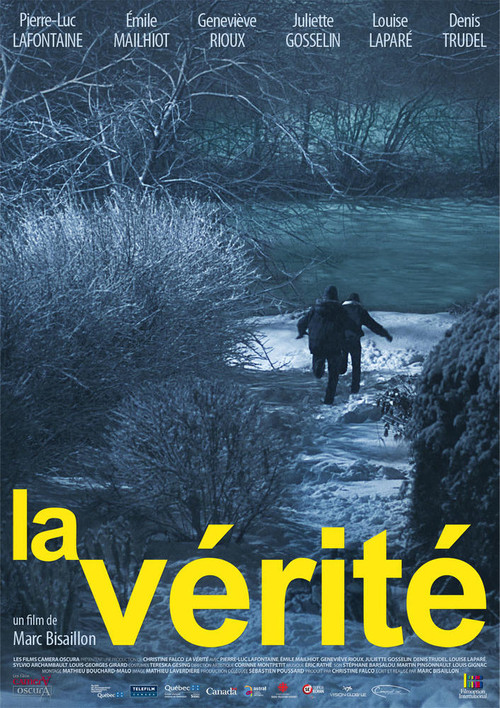
Guilt 2011
Marc Bisaillon's *Guilt (2011)* plunges into the psychological depths of a tragic mistake that fractures a lifelong friendship overnight.
Director: Marc Bisaillon
Cast









Frequently Asked Questions
What is Guilt (2011) about?
*Guilt (2011)* follows Gabriel and Yves, two friends whose lives unravel after a drunken accident results in an elderly man's death. As guilt festers, their contrasting coping mechanisms reveal deeper cracks in their bond, forcing Gabriel to confront the crushing weight of his conscience while Yves struggles to maintain composure.
Who directed Guilt?
*Guilt* was directed by Marc Bisaillon, a filmmaker known for his introspective storytelling and emotionally charged character dramas.
Who stars in Guilt?
The film stars Pierre-Luc Lafontaine as Gabriel, Émile Mailhiot as Yves, alongside Geneviève Rioux, Juliette Gosselin, and Denis Trudel in pivotal roles.
Is Guilt (2011) worth watching?
While *Guilt (2011)* didn't receive an IMDb rating, its gripping narrative and psychological depth make it a compelling watch for fans of slow-burn dramas. The film's exploration of guilt and friendship offers a thought-provoking experience, though its pacing may not suit all viewers.
How long is Guilt?
The runtime of *Guilt (2011)* is 93 minutes.
About Guilt (2011) — A haunting drama of friendship, regret, and the cost of silence
Marc Bisaillon's *Guilt (2011)* plunges into the psychological depths of a tragic mistake that fractures a lifelong friendship overnight. When Gabriel and Yves, two close friends, spend an evening drinking, their carefree night spirals into tragedy when an elderly man dies as a result of their recklessness. While Yves moves forward with detached resilience, Gabriel is consumed by remorse, his guilt growing heavier with each passing day. The film masterfully contrasts Yves' outward defiance with Gabriel's inward collapse, exploring how shame can corrode the mind long after the incident occurs.
Set against a moody, introspective atmosphere, *Guilt* unfolds as a slow-burning character study of moral failure and emotional paralysis. Bisaillon crafts a tense, dialogue-driven narrative that questions whether confession is a path to redemption or a spiral into irreversible damage. With its sharp focus on human fragility and the weight of unspoken truths, this 2011 drama lingers as a haunting meditation on guilt's enduring grip.