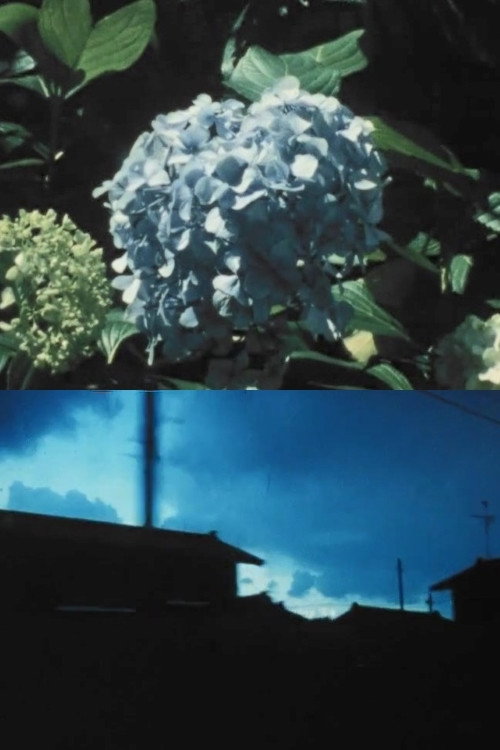
Imitating the Flower of Hydrangea 1985
Shot on 16mm film and running just 54 minutes, *Imitating the Flower of Hydrangea* (1985) is a quietly powerful drama helmed by director Shirōyasu Suzuki.
Director: Shirōyasu Suzuki
Frequently Asked Questions
What is *Imitating the Flower of Hydrangea* (1985) about?
This short but striking drama from 1985 follows a contemplative journey that mirrors the delicate, ever-shifting beauty of hydrangea flowers. The film weaves themes of transience and human connection through quiet, deliberate storytelling.
Who directed *Imitating the Flower of Hydrangea*?
Director Shirōyasu Suzuki is behind this atmospheric drama, known for his thoughtful and visually rich approach to filmmaking.
Who stars in *Imitating the Flower of Hydrangea*?
Cast details for the 1985 film are not publicly listed, leaving the focus squarely on the director's unique vision.
Is *Imitating the Flower of Hydrangea* (1985) worth watching?
For fans of slow, art-house cinema, this 54-minute Japanese drama delivers a meditative experience. Its poetic style and themes of beauty and impermanence make it a rewarding, if niche, choice for patient viewers.
How long is *Imitating the Flower of Hydrangea*?
The film runs for 54 minutes, offering a concise yet immersive cinematic experience.
About Imitating the Flower of Hydrangea (1985) — A Reflective Drama in 54 Minutes
Shot on 16mm film and running just 54 minutes, *Imitating the Flower of Hydrangea* (1985) is a quietly powerful drama helmed by director Shirōyasu Suzuki. The narrative unfolds with an understated intensity, immersing viewers in a contemplative world where subtle gestures speak louder than words. Set against a backdrop that feels both intimate and timeless, the film explores themes of imitation, transience, and the delicate interplay between appearance and reality. Like the hydrangea itself—ever-changing and bound to nature's whims—the story suggests that beauty often lies in its fleeting moments, captured in Suzuki's deliberate, painterly framing.
Though details about the cast remain sparse, the film's poetic restraint and atmospheric depth make it a compelling watch for fans of slow cinema and Japanese drama alike. The short runtime belies a richness in texture, with every frame echoing the fragility of human connections and the quiet resilience of the natural world. For those seeking a meditative experience that lingers long after the credits roll, *Imitating the Flower of Hydrangea* (1985) offers a rare blend of introspection and visual poetry.