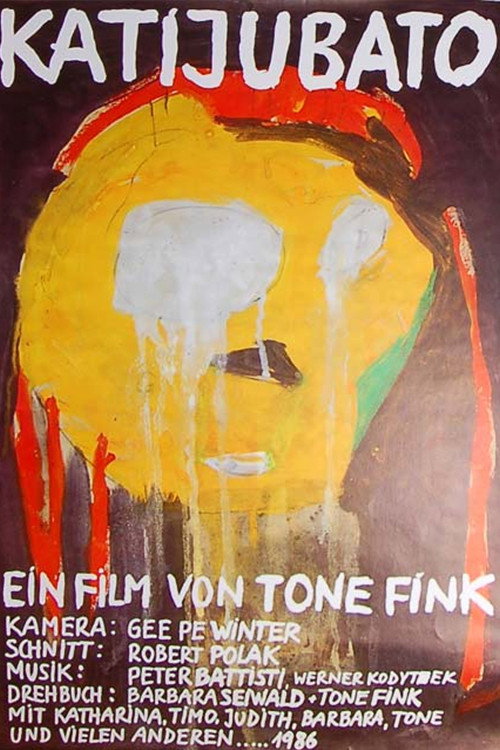
Katijubato 1986
Katijubato (1986), directed by Tone Fink, unfolds as a surreal dreamscape where childhood whimsy collides with eerie symbolism.
Director: Tone Fink
Frequently Asked Questions
What is Katijubato (1986) about?
Katijubato (1986) is a surreal film that blends childhood imagery with unsettling symbolism. It follows Katharina, a red-headed girl, as she rapidly grows through four stages, while bizarre events like a giant air goat, a penguin in an attic, and a mysterious reaper unfold. The narrative defies logic, creating a dreamlike yet haunting experience.
Who directed Katijubato?
Katijubato was directed by Tone Fink, a filmmaker known for pushing boundaries with avant-garde storytelling and surreal visuals.
Who stars in Katijubato?
The cast of Katijubato (1986) is not fully documented, but the film centers on the character Katharina, played by an unknown actress, as she undergoes her surreal journey.
Is Katijubato (1986) worth watching?
Katijubato (1986) is a niche, experimental film best suited for fans of surreal cinema. Its abstract narrative and striking imagery offer a unique experience, though its unorthodox style may not appeal to everyone. With no IMDb rating to gauge reception, it remains a cult curiosity worth exploring for those intrigued by avant-garde filmmaking.
How long is Katijubato?
Katijubato (1986) has a runtime of 83 minutes.
About Katijubato (1986) — A Surreal Masterpiece of Symbolism and Childhood
Katijubato (1986), directed by Tone Fink, unfolds as a surreal dreamscape where childhood whimsy collides with eerie symbolism. A colossal, inflated goat soars through the air before plunging into water, while a penguin perched in an attic witnesses a shocking rescue—only to be unsettled by the arrival of a diminutive reaper. The film follows Katharina, a striking red-headed girl, as she undergoes rapid transformation in four distinct six-month stages, her growth paralleling the film's disjointed yet mesmerizing narrative. The atmosphere is thick with the uncanny, blending innocence with ominous undertones, creating a visual poem that lingers long after the credits roll.
Breaking boundaries of conventional storytelling, Katijubato (1986) defies easy interpretation, weaving together childhood fantasy and existential dread. The bat's descent and the angel's fall mirror themes of fragility and inevitability, all while Katharina's metamorphosis serves as a haunting metaphor for time's relentless march. Fink's avant-garde approach crafts a film that's as thought-provoking as it is visually arresting, making it a cult curiosity for those drawn to offbeat cinema.