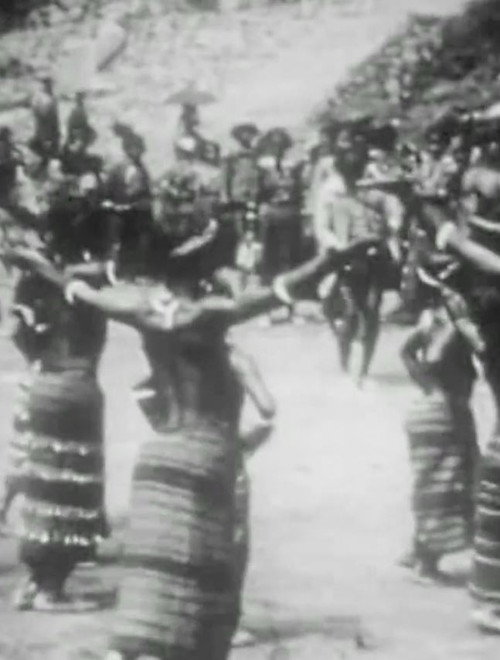
Native Life in the Philippines 1914
Native Life in the Philippines (1914) is a groundbreaking documentary that delves into the lives of Philippine tribes at the turn of the 20th century.
Director: Dean Worcester
Frequently Asked Questions
What is Native Life in the Philippines (1914) about?
This documentary film explores the lives of Philippine tribes at the turn of the 20th century, offering a comprehensive ethnographic record of their customs and traditions.
Who directed Native Life in the Philippines?
Native Life in the Philippines was directed by Dean Worcester, a prominent figure in the United States colonial government.
Who stars in Native Life in the Philippines?
Unfortunately, the cast information for Native Life in the Philippines is not available.
Is Native Life in the Philippines (1914) worth watching?
While Native Life in the Philippines (1914) may not be the most entertaining film, its historical significance and cultural importance make it a must-watch for anyone interested in history, anthropology, or cultural studies.
How long is Native Life in the Philippines?
Native Life in the Philippines has a runtime of 37 minutes.
About Native Life in the Philippines (1914) — A Glimpse into Colonial Philippines
Native Life in the Philippines (1914) is a groundbreaking documentary that delves into the lives of Philippine tribes at the turn of the 20th century. Directed by Dean Worcester, this film was a collaborative effort with government photographer Charles Martin, aiming to document the customs and traditions of the indigenous people. With its comprehensive ethnographic record, the film serves as a window into the past, providing valuable insights into the lives of these communities. As the United States colonial government grappled with the question of independence, Worcester's film sought to make the case for continued control over the colony. Native Life in the Philippines (1914) is a significant historical document that sheds light on the complexities of colonialism and the struggles of indigenous peoples. The film's portrayal of traditional practices and ways of life offers a poignant reminder of the importance of cultural preservation and understanding. By watching Native Life in the Philippines (1914), viewers can gain a deeper appreciation for the rich cultural heritage of the Philippines and the challenges faced by its people.
This documentary is a must-watch for anyone interested in history, anthropology, or cultural studies. With its unique blend of ethnographic documentation and historical context, Native Life in the Philippines (1914) offers a fascinating glimpse into a bygone era. While the film's historical significance and cultural importance are undeniable, its entertainment value may be limited for modern audiences. Nonetheless, Native Life in the Philippines (1914) remains an essential work that continues to educate and inform viewers today.
Native Life in the Philippines (1914) is a testament to the power of documentary filmmaking, offering a powerful and thought-provoking exploration of the human experience. By exploring the lives of Philippine tribes, the film raises important questions about colonialism, identity, and the importance of preserving cultural heritage.