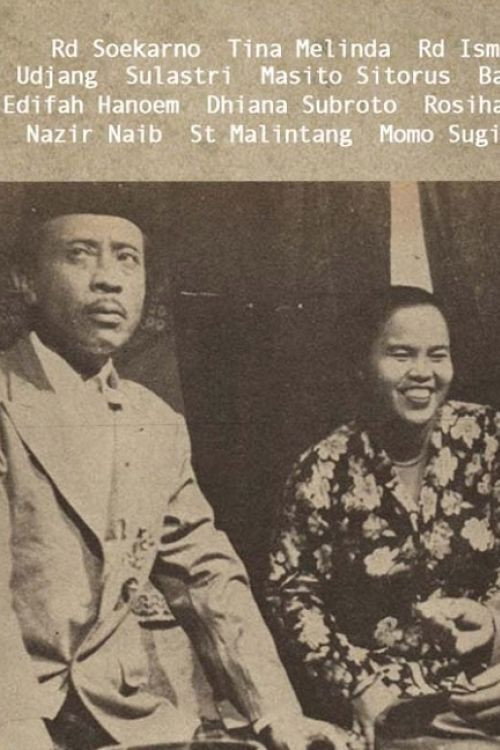
Lagi-Lagi Krisis 1955
Dive into the delightfully chaotic world of *Lagi-Lagi Krisis (1955)*, Usmar Ismail's sharp-witted comedy-drama that blends satire with social observation.
Director: Usmar Ismail
Cast





Frequently Asked Questions
What is Lagi-Lagi Krisis (1955) about?
The film follows Husin bin Said, a man who suddenly declares himself a shaman and attracts a flood of clients desperate for supernatural help with their ambitions. From film producers to aspiring politicians, each visitor brings their own chaotic expectations, leading to a series of hilarious misadventures.
Who directed Lagi-Lagi Krisis?
The movie was directed by Usmar Ismail, a pioneer of Indonesian cinema known for his socially conscious storytelling and sharp wit.
Who stars in Lagi-Lagi Krisis?
The film features a talented ensemble led by Udjang as Husin bin Said, alongside Rendra Karno, Tina Melinda, S. Bono, and Sulastri.
Is Lagi-Lagi Krisis (1955) worth watching?
While lacking a rated IMDb score, its historical significance and Ismail's masterful direction make it a compelling watch for fans of classic Indonesian cinema. The blend of comedy and sharp social commentary ensures it remains entertaining and thought-provoking.
How long is Lagi-Lagi Krisis?
The runtime is 109 minutes.
About Lagi-Lagi Krisis (1955) — A 1950s Indonesian Comedy-Drama Classic by Usmar Ismail
Dive into the delightfully chaotic world of *Lagi-Lagi Krisis (1955)*, Usmar Ismail's sharp-witted comedy-drama that blends satire with social observation. When Husin bin Said (Udjang) impulsively hangs out a shaman's sign, he's instantly besieged by a motley crowd seeking supernatural solutions to their earthly ambitions—from would-be diplomats to frustrated wives and even an overzealous film producer, Henry Bross (S. Bono). The film brims with Ismail's signature blend of humor and insight, as Husin's well-intentioned charlatanry spirals into a farce of misplaced faith and desperate opportunism. With a cast anchored by Rendra Karno and Tina Melinda, the movie crackles with energy, offering a nostalgic yet timeless look at Indonesian society's struggles with ambition and authenticity.
At its heart, *Lagi-Lagi Krisis* is a mirror held up to the absurdity of human aspirations, where a humble shaman's shop becomes the unlikely stage for a comedy of errors. The atmosphere is lighthearted yet biting, a testament to Ismail's ability to balance satire with genuine warmth. Whether you're drawn to its historical charm or its enduring themes, this 1955 gem remains a fascinating snapshot of a bygone era—where even the most implausible dreams feel tantalizingly within reach.