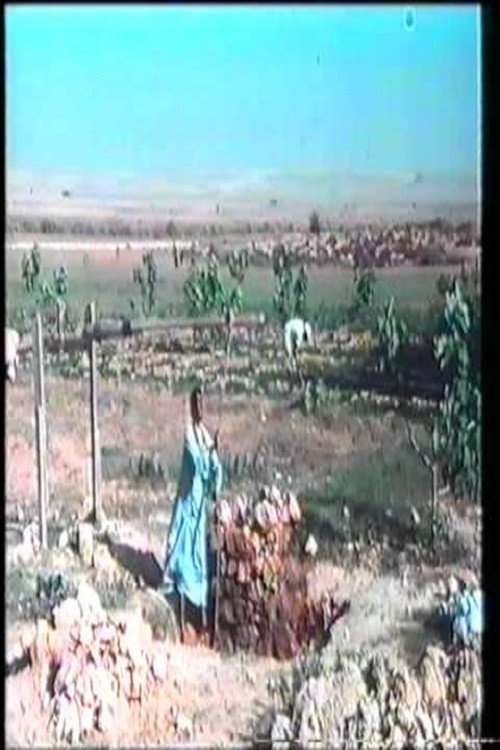
The Well 1982
Step into the arid landscapes of northern Egypt with *The Well (1982)*, a captivating documentary by Hashem El-Nahas that immerses viewers in the traditions and daily rhythms of Bedouin life.
Director: Hashem El-Nahas
Frequently Asked Questions
What is The Well (1982) about?
This documentary delves into the everyday experiences of Bedouin communities along Egypt's northern coast, focusing on their deep relationship with the land and the challenges of survival in a parched environment. The film centers on the pivotal role of water and communal traditions in shaping their way of life.
Who directed The Well?
Hashem El-Nahas directed *The Well (1982)*. Known for his observational style, El-Nahas crafts a visually striking portrait of Bedouin culture through minimal dialogue and immersive visuals.
Who stars in The Well?
Director information is not available.
Is The Well (1982) worth watching?
*The Well (1982)* may be a short documentary, but its poignant portrayal of Bedouin life offers a rare and thought-provoking viewing experience. Fans of cultural documentaries or minimalist filmmaking will appreciate its atmospheric storytelling and stark beauty.
How long is The Well?
The runtime of *The Well (1982)* is 15 minutes.
The Well (1982) Explores Bedouin Life in a Stark Desert World
Step into the arid landscapes of northern Egypt with *The Well (1982)*, a captivating documentary by Hashem El-Nahas that immerses viewers in the traditions and daily rhythms of Bedouin life. Shot in spare, evocative detail, this 15-minute short film captures the essence of survival in a harsh environment, where water is both a lifeline and a symbol of endurance. Through quiet observation and intimate storytelling, El-Nahas paints a portrait of a community deeply connected to the land, highlighting rituals, customs, and the unspoken bond between people and their environment.
The film's minimalist approach contrasts with the richness of its subject matter, making it a unique glimpse into a world often overlooked. The Well serves as both a cultural artifact and a poetic meditation on resilience, offering audiences a chance to reflect on how traditions shape identity and community in the face of adversity.