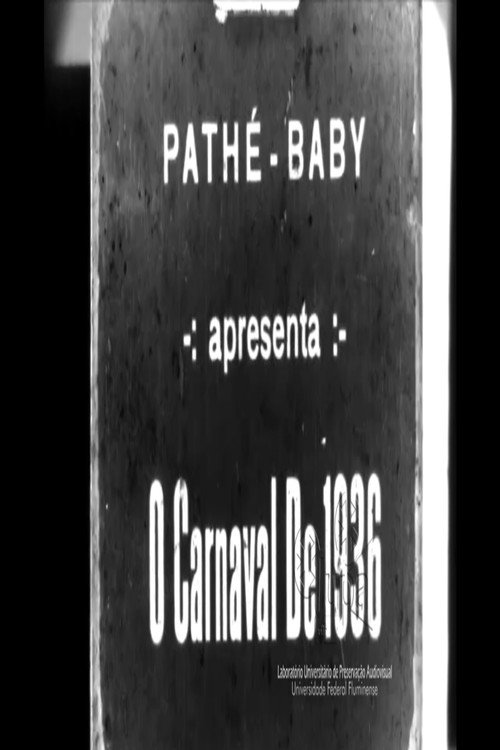
Pathé Baby apresenta: O Carnaval de 1936 1936
Step back to 1936 Rio de Janeiro with Pathé Baby apresenta: O Carnaval de 1936, a vibrant 6-minute documentary that captures the golden age of Carnival through the lens of early cinema.
Frequently Asked Questions
What is Pathé Baby apresenta: O Carnaval de 1936 (1936) about?
This short documentary transports viewers to 1936 Rio de Janeiro, capturing three days of Carnival celebrations. The film showcases the iconic Corso parade on Avenida Rio Branco, lively ranch celebrations, and dazzling parades by legendary carnival societies like Democrático, Tenentes do Diabo, and Fenianos. It also highlights the transition from day to night festivities, revealing the city's infectious energy.
Who directed Pathé Baby apresenta: O Carnaval de 1936?
Director information is not available.
Who stars in Pathé Baby apresenta: O Carnaval de 1936?
The film doesn't feature actors in the traditional sense but highlights the iconic carnival societies and vibrant crowds of Rio de Janeiro in 1936.
Is Pathé Baby apresenta: O Carnaval de 1936 (1936) worth watching?
As a short documentary from the 1930s, it's a unique window into Rio's Carnival history. While it lacks modern production value, its historical significance and nostalgic charm make it a fascinating watch for film buffs or anyone interested in early Brazilian cinema or Carnival traditions.
How long is Pathé Baby apresenta: O Carnaval de 1936?
The film runs for 6 minutes.
About Pathé Baby apresenta: O Carnaval de 1936 (1936) — Dive into authentic 1930s Rio Carnival footage
Step back to 1936 Rio de Janeiro with Pathé Baby apresenta: O Carnaval de 1936, a vibrant 6-minute documentary that captures the golden age of Carnival through the lens of early cinema. The film sweeps you through three days of revelry on Avenida Rio Branco, where the Corso parades in dazzling automobiles and the streets pulse with the energy of samba rhythms and confetti storms. Highlights include the ranches—rustic celebrations that brought local flavors to the festivities—as well as the grand parades of legendary carnival societies like Democrático, Tenentes do Diabo, and Fenianos, their costumes and floats shimmering under the Brazilian sun. As dusk falls, the focus shifts to nighttime celebrations, where lanterns and fireworks paint the sky, offering a contrast between day's exuberance and night's enchantment.
This short film isn't just a time capsule; it's a visual love letter to a city at its most festive, preserving the spirit of an era when Carnival was the heartbeat of Rio. With its grainy, authentic footage, Pathé Baby apresenta: O Carnaval de 1936 transports viewers to a world where tradition, creativity, and community collide in a riot of color and sound. A slice of living history, it's perfect for anyone fascinated by early 20th-century Brazilian culture or the evolution of global carnival traditions.