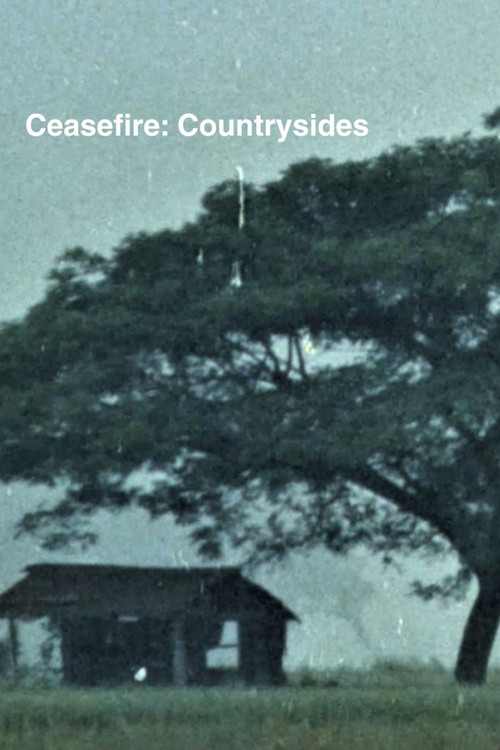
Ceasefire: Countrysides 1986
Crafted by filmmaker Eli R. Guieb, III, *Ceasefire: Countrysides* (1986) is a striking short documentary where rhythmic camera sequences intertwine with protest anthems to deliver a bold political statement.
Director: Eli R. Guieb, III
Frequently Asked Questions
What is Ceasefire: Countrysides (1986) about?
This ten-minute documentary uses repetitive camera movements and protest songs to craft a bold political statement about peace and resistance. It explores themes of conflict and resolution through unconventional visual storytelling.
Who directed Ceasefire: Countrysides?
The film was directed by Eli R. Guieb, III, who employs experimental techniques to amplify its message.
Who stars in Ceasefire: Countrysides?
Cast details for this documentary are not listed, reflecting its focus on collective visual and auditory themes rather than individual stars.
Is Ceasefire: Countrysides (1986) worth watching?
For fans of politically charged short films, *Ceasefire: Countrysides* offers a unique ten-minute experience. Its experimental style and strong themes make it a compelling watch despite its brevity, especially for those interested in documentary filmmaking.
How long is Ceasefire: Countrysides?
The documentary runs for 10 minutes.
About Ceasefire: Countrysides (1986) — A 10-Minute Visual Protest Through Rhythm and Resistance
Crafted by filmmaker Eli R. Guieb, III, *Ceasefire: Countrysides* (1986) is a striking short documentary where rhythmic camera sequences intertwine with protest anthems to deliver a bold political statement. Clocking in at just ten minutes, this experimental film immerses viewers in a charged atmosphere of resistance and reflection, blending visual repetition with raw musical energy to underscore its urgent themes.
The film's unconventional approach mirrors the intensity of its message, using repetition not as a gimmick but as a deliberate tool to reinforce its commentary on peace and protest. By focusing on countrysides rather than urban landscapes, it shifts attention to quieter yet equally powerful zones of conflict and resolution, offering a unique perspective on the era's social movements.