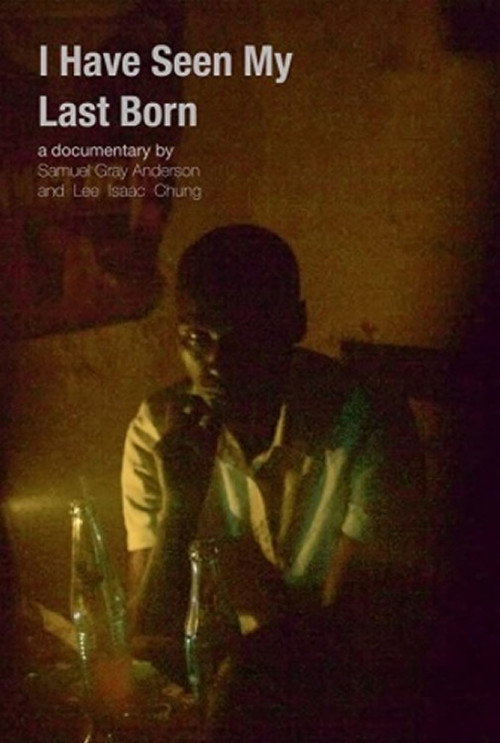
I Have Seen My Last Born 2015
I Have Seen My Last Born (2015) offers a heartfelt exploration of Rwanda's journey toward renewal, framed through the intimate lens of one man's dual life as both father and son.
Director: Samuel Gray Anderson
Cast
Frequently Asked Questions
What is I Have Seen My Last Born (2015) about?
This documentary follows Rwanda's transition from its dark past toward hope, seen through the life of John Kwezi. As he balances fatherhood and familial duty between the city and village, the film explores themes of identity, healing, and the personal cost of national renewal.
Who directed I Have Seen My Last Born?
The film was directed by Samuel Gray Anderson, a filmmaker whose work often focuses on cultural and social transitions.
Who stars in I Have Seen My Last Born?
The documentary centers on John Kwezi, with additional insights from family members and community figures shaping the narrative.
Is I Have Seen My Last Born (2015) worth watching?
While IMDb hasn't rated it, this 79-minute documentary offers a compelling, human-centered look at Rwanda's journey. Its emotional depth and thematic richness make it a thoughtful watch for those interested in personal stories within historical change.
How long is I Have Seen My Last Born?
The film runs for 79 minutes.
About I Have Seen My Last Born (2015) — A poignant documentary on Rwanda's transformation
I Have Seen My Last Born (2015) offers a heartfelt exploration of Rwanda's journey toward renewal, framed through the intimate lens of one man's dual life as both father and son. Directed by Samuel Gray Anderson, this documentary captures the tension between urban progress and rural tradition as it follows John Kwezi's emotional navigation between bustling city streets and the quiet villages of his heritage. With a runtime of 79 minutes, the film balances personal storytelling with the broader narrative of a nation healing from its turbulent past.
Anderson's documentary doesn't just document history—it breathes life into it, blending quiet reflection with the vibrancy of a country rebuilding itself. Through Kwezi's experiences, the film reveals the quiet resilience of a people reclaiming their identity, offering a poignant reminder of how individual lives shape collective progress.