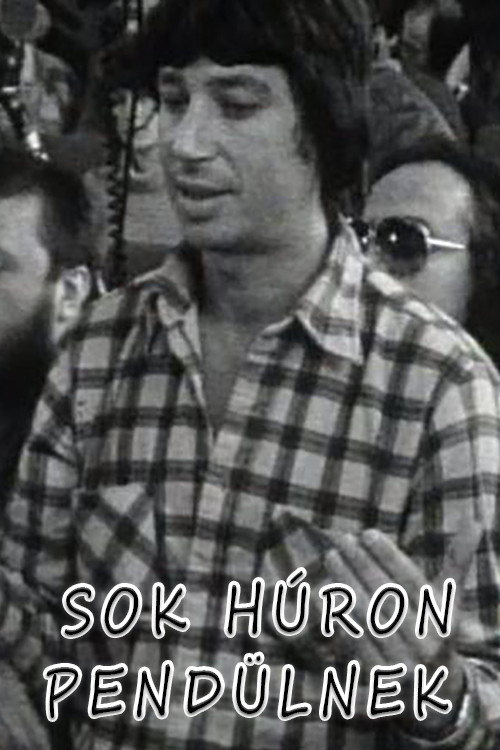
"Sok húron pendülnek" 1982
Step into the intriguing world of Tamás Almási's *Sok húron pendülnek* (1982), a Hungarian documentary that offers a unique snapshot of its era.
Director: Tamás Almási
Cast

Frequently Asked Questions
What is "Sok húron pendülnek" (1982) about?
This Hungarian documentary from 1982 blends personal stories and societal reflections, offering a lens into life during a transformative decade. It's a snapshot of resilience and change in Eastern Europe.
Who directed "Sok húron pendülnek"?
Tamás Almási directed this insightful documentary, bringing a keen eye to Hungary's cultural and political landscape of the 1980s.
Who stars in "Sok húron pendülnek"?
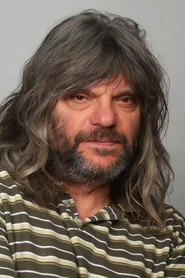
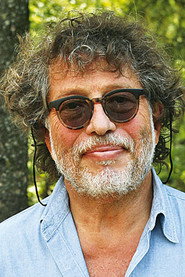
The documentary features Miklós Györffy, Földes László, Presser Gábor, and Feró Nagy among its key contributors.
Is "Sok húron pendülnek" (1982) worth watching?
For fans of historical documentaries or Eastern European cinema, *Sok húron pendülnek* offers a concise yet rich perspective. While it may lack mainstream appeal, its authenticity and depth make it a rewarding watch.
How long is "Sok húron pendülnek"?
The runtime of *Sok húron pendülnek* is 61 minutes.
About Sok húron pendülnek (1982) — The Hungarian Documentary Capturing an Era
Step into the intriguing world of Tamás Almási's *Sok húron pendülnek* (1982), a Hungarian documentary that offers a unique snapshot of its era.
Through intimate interviews and observational footage, the film captures the complexities of life in 1980s Hungary, weaving together personal stories and societal reflections. With a runtime of just 61 minutes, it balances depth and accessibility, making it a compelling watch for those interested in Eastern European history or documentary filmmaking. The film's atmosphere blends nostalgia with quiet urgency, as it explores themes of resilience, change, and the human experience amidst political and cultural shifts. Led by director Almási, the documentary features standout performances from Miklós Györffy, Földes László, Presser Gábor, and Feró Nagy, whose contributions add authenticity and depth to the narrative.