Document 1972
Pioneering avant-garde filmmaker Lynda Benglis takes center stage in *Document (1972)*, a bold six-minute exploration of art, identity, and the boundaries of reproduction.
Director: Lynda Benglis
Cast
Frequently Asked Questions
What is Document (1972) about?
This six-minute avant-garde film stars Lynda Benglis herself as she navigates the tensions between creative vision and technical reproduction. With tongue-in-cheek audacity, she redefines authorship, even copyrighting her own image in a literal and symbolic act of ownership.
Who directed Document?
Lynda Benglis directed *Document*, crafting a miniature masterclass in experimental cinema that questions the very foundations of fine art.
Who stars in Document?
The cast is led by Lynda Benglis, who both directs and stars in this self-reflexive exploration of art and identity.
Is Document (1972) worth watching?
As an unrated, ultra-short experimental film, *Document* won't appeal to everyone—but it's a vital snapshot of 1970s avant-garde innovation. Its playful defiance of convention and sharp critique of image reproduction make it a fascinating watch for fans of conceptual art and boundary-pushing cinema.
How long is Document?
*Document* runs for 6 minutes.
About Document (1972) — Benglis' radical six-minute critique of art and reproduction
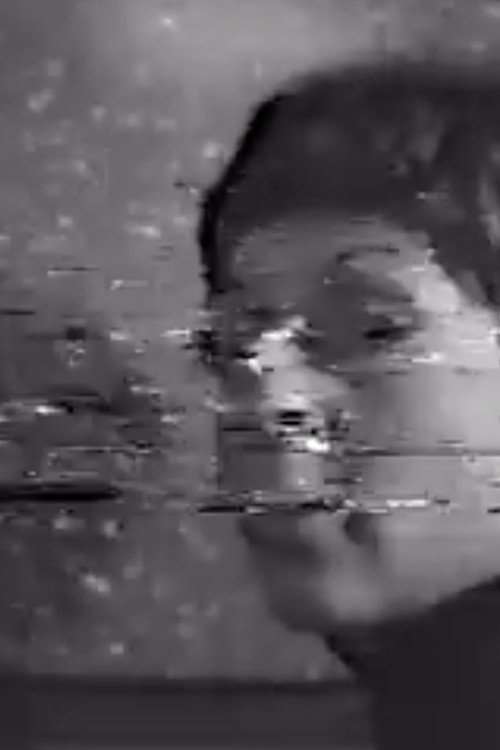
Pioneering avant-garde filmmaker Lynda Benglis takes center stage in *Document (1972)*, a bold six-minute exploration of art, identity, and the boundaries of reproduction. The film unfolds as two unseen collaborators guide Benglis through her creative vision, her voice echoing between a monitor and a camera lens. With playful irreverence, she disrupts traditional art-world norms—affixing a double portrait to the screen and defacing it with moustaches—challenging the very notion of originality in an era of mechanical duplication. The atmosphere crackles with subversive energy as Benglis crowns her work with the film's title and a copyright notice, leaving no doubt about its place in the avant-garde canon.
This compact yet provocative piece is less a documentary in the conventional sense and more an audacious statement on authorship and image-making. Benglis strips away pretenses, blending performance, commentary, and meta-narrative to interrogate how art is perceived, reproduced, and owned. The result is a hypnotic, confrontational snapshot of 1970s experimental cinema that still feels urgent today.