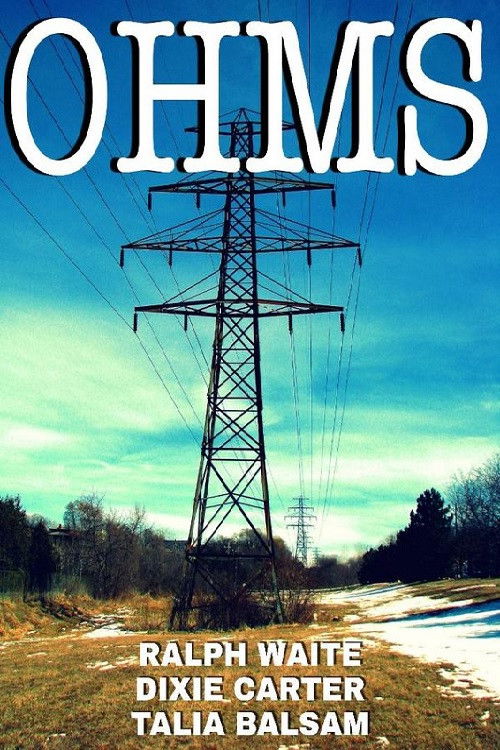
OHMS 1980
In OHMS (1980), a steadfast Midwestern farmer takes a stand against a powerful utility company plotting to carve up his community's land with towering metal structures.
Director: Dick Lowry
Cast

Frequently Asked Questions
What is OHMS (1980) about?
OHMS (1980) follows a determined Midwestern farmer who leads his neighbors in opposing a power company's plan to build massive transmission towers on their land. With the help of a dedicated schoolteacher, the community transforms fear into organized resistance, sparking a battle over land rights, environmental ethics, and local identity.
Who directed OHMS?
OHMS was directed by Dick Lowry, known for his work in television drama and compelling narratives rooted in real-world issues.
Who stars in OHMS?
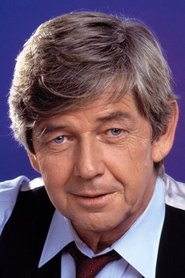
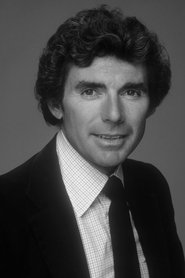
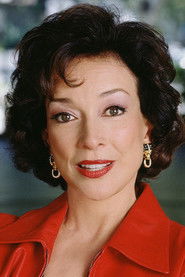
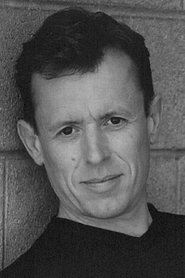
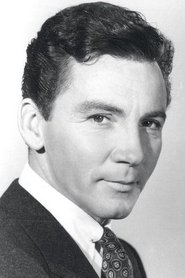
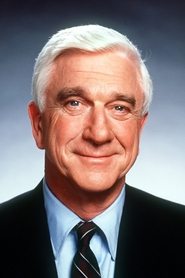
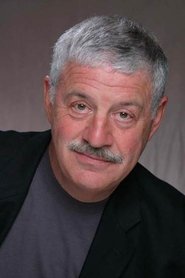
The film features Ralph Waite as the farmer, joined by David Birney, Talia Balsam, Dixie Carter, and Charley Lang in pivotal roles.
Is OHMS (1980) worth watching?
As a 1980s TV drama rooted in social conflict and community activism, OHMS offers thoughtful storytelling and strong performances, especially from Ralph Waite. While it may lack modern production polish, its themes of resistance and local empowerment remain timeless and engaging for fans of grounded drama.
How long is OHMS?
OHMS runs for 96 minutes.
About OHMS (1980) — How a Farmer's Fight Became a Community's Last Stand
In OHMS (1980), a steadfast Midwestern farmer takes a stand against a powerful utility company plotting to carve up his community's land with towering metal structures. With the help of a passionate local schoolteacher, he rallies neighbors to turn resistance into real change, sparking a David-and-Goliath battle that tests unity, conviction, and the strength of grassroots movements. Directed by Dick Lowry, this gripping drama transforms quiet rural life into a stage for powerful storytelling where every fence post feels like a line in the sand.
Crafted as a TV movie, OHMS (1980) blends grounded realism with the simmering tension of a community defending its future. Ralph Waite leads the ensemble cast with quiet authority, while Talia Balsam and Dixie Carter bring emotional depth to roles that challenge both tradition and complacency. The film thrives in its authentic portrayal of activism rising from everyday people, weaving themes of environmental ethics, collective action, and the cost of standing your ground—all against the unrelenting backdrop of progress.