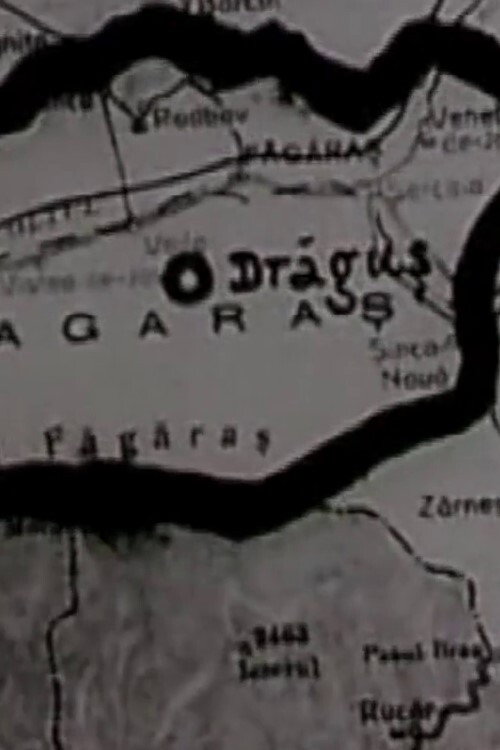
Drăguș, viața unui sat românesc 1929
Step back to 1929 with *Drăguș, viața unui sat românesc*, one of the world's earliest sociological ethnographic documentaries and a landmark of Romanian cinema.
Director: Paul Sterian
Frequently Asked Questions
What is Drăguș, viața unui sat românesc (1929) about?
This groundbreaking short documentary transports viewers to the village of Drăguș in 1929, revealing its agricultural routines, social structures, and cultural traditions through the lens of early ethnographic research. It's a sociological portrait that captures daily life in a Romanian rural community before modernization took hold.
Who directed Drăguș, viața unui sat românesc?
The film was directed by Paul Sterian, a filmmaker and academic associated with the sociological school led by Professor Dimitrie Gusti, which pioneered field-based documentary filmmaking in Romania.
Who stars in Drăguș, viața unui sat românesc?
Director information is not available.
Is Drăguș, viața unui sat românesc (1929) worth watching?
As one of the first sociological documentaries ever made, *Drăguș, viața unui sat românesc* offers immense historical and cultural value. While not a narrative film, its authenticity and academic rigor make it essential viewing for scholars and enthusiasts of early cinema and ethnography.
How long is Drăguș, viața unui sat românesc?
The film runs for 45 minutes.
About Drăguș, viața unui sat românesc (1929) — Early Sociological Documentary from Rural Romania
Step back to 1929 with *Drăguș, viața unui sat românesc*, one of the world's earliest sociological ethnographic documentaries and a landmark of Romanian cinema. Directed by Paul Sterian, this 45-minute film immerses viewers in the rhythms, traditions and daily life of Drăguș, a village nestled in Făgăraș County, Romania, at a pivotal moment in its history. Shot under the academic guidance of Professor Dimitrie Gusti, the documentary blends rigorous observation with poetic realism, capturing the soul of rural Romania through vivid imagery and authentic voices. It's less a film and more a time capsule—one that preserves the customs, labor, and social fabric of a community on the cusp of modernity.
More than nine decades later, *Drăguș, viața unui sat românesc (1929)* remains a must-see for students of sociology, ethnography, and early cinema. Its grainy black-and-white frames tell stories of resilience, community, and cultural identity that resonate far beyond geography. Whether you're researching Romanian heritage or simply drawn to immersive historical narratives, this short but profound documentary offers an unfiltered glimpse into a world that time has transformed—but never erased.