Testament 1968
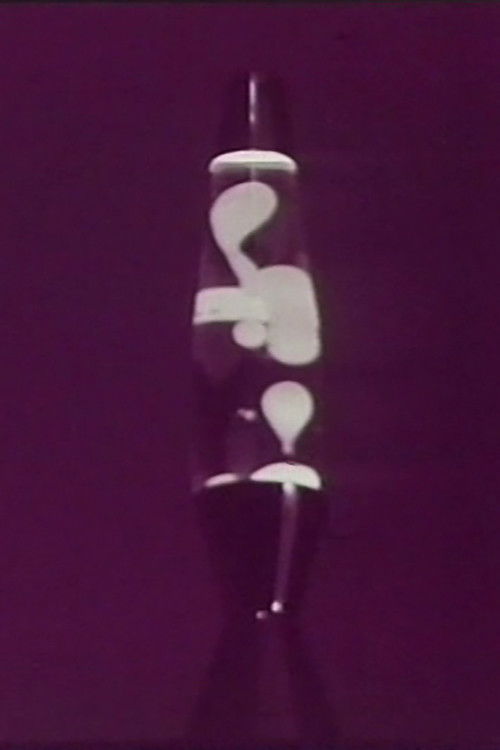
Ferry Radax's daring 1968 sci-fi drama *Testament* flips traditional power structures on their head, tracing the rise of an unexpected authoritarian regime led by women.
Director: Ferry Radax
Cast
Frequently Asked Questions
What is Testament (1968) about?
Middle-class student Mike Sarnitz joins a political revolution, only to witness its rapid collapse into a dystopian regime ruled by women. The new leadership enforces brutal suppression of intellectuals, particularly writers, while the public embraces the regime's seductive facade. The film dives into the absurdity of power shifts and the cost of unchecked authority.
Who directed Testament?
The film was directed by Ferry Radax, an Austrian filmmaker known for his experimental and provocative approach to cinema.
Who stars in Testament?
The cast includes Michael Sarnitz, Eva Kinsky, Hanno Pöschl, Brita Hutter, and Leopold Tamare, who bring to life this unsettling tale of political upheaval.
Is Testament (1968) worth watching?
As a 47-minute sci-fi drama with strong satirical elements, *Testament* appeals to fans of unconventional storytelling and dark humor. While it's not widely rated, its compact runtime and bold themes make it a compelling watch for those interested in mid-century social commentary. Approach with curiosity—it's more art than entertainment.
How long is Testament?
The runtime for *Testament* is 47 minutes.
About Testament (1968) — A Dark Satire of Power and Reversal
Ferry Radax's daring 1968 sci-fi drama *Testament* flips traditional power structures on their head, tracing the rise of an unexpected authoritarian regime led by women. Unlikely revolutionary Mike Sarnitz finds himself swept into a political upheaval that quickly spirals into absurd brutality when female meter maids seize control, enforcing a military dictatorship under a senile figurehead. Writers become targets, intellectuals are erased, and retaliation attempts falter as public sentiment sways in favor of the new regime's superficial appeal. With a runtime under an hour, this Austrian film blends dark satire with stark social commentary, painting a world where chaos masquerades as order.
The atmosphere is claustrophobic and surreal, with Radax's direction amplifying the film's unsettling tone through deliberate pacing and symbolic visuals. Themes of gender reversal, authoritarianism, and the fragility of democracy collide in a story that feels eerily prescient decades later. *Testament* isn't just a curiosity of 1960s cinema—it's a provocative exploration of how power shifts when the oppressed become oppressors, all wrapped in a compact yet potent narrative.