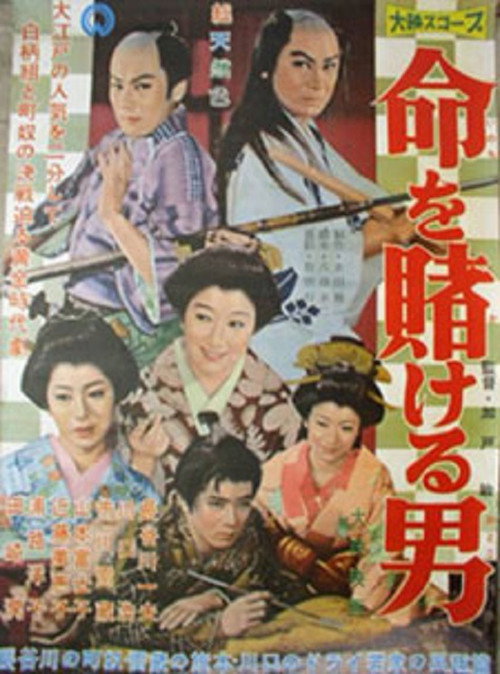
Inochi wo Kakeru Otoko 1958
Step into the dramatic world of *Inochi wo Kakeru Otoko* (1958), a gripping Japanese film directed by Bin Katō that weaves a tale of ambition, sacrifice, and the relentless pursuit of dreams.
Director: Bin Katō
Cast





Frequently Asked Questions
What is Inochi wo Kakeru Otoko (1958) about?
This 1958 drama follows a man who takes drastic measures to secure his family's future, only to face unforeseen consequences. As he navigates moral ambiguity and personal sacrifice, the film examines the cost of ambition in a rapidly changing society.
Who directed Inochi wo Kakeru Otoko?
Bin Katō directed this intense drama, bringing a nuanced perspective to its themes of struggle and perseverance.
Who stars in Inochi wo Kakeru Otoko?
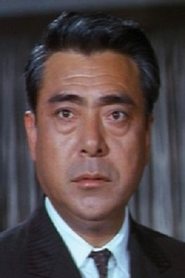
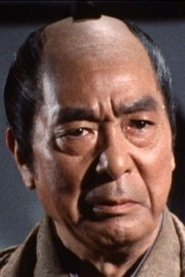
The film stars Raizō Ichikawa and Kazuo Hasegawa in lead roles, alongside Fujiko Yamamoto, Mieko Kondō, and Jun Tazaki, delivering powerful performances.
Is Inochi wo Kakeru Otoko (1958) worth watching?
While IMDb ratings aren't available, *Inochi wo Kakeru Otoko* is a standout in 1950s Japanese cinema, praised for its emotional depth and atmospheric storytelling. If you appreciate classic dramas with moral complexity, it's a film worth tracking down.
How long is Inochi wo Kakeru Otoko?
The runtime for *Inochi wo Kakeru Otoko* is 102 minutes.
About Inochi wo Kakeru Otoko (1958) — Classic Japanese Drama of Ambition and Sacrifice
Step into the dramatic world of *Inochi wo Kakeru Otoko* (1958), a gripping Japanese film directed by Bin Katō that weaves a tale of ambition, sacrifice, and the relentless pursuit of dreams. Featuring a stellar cast led by Raizō Ichikawa and Kazuo Hasegawa, the movie unfolds against a backdrop of post-war Japan, where the boundaries between morality and survival blur. Ichikawa's character embodies the struggle of an ordinary man who risks everything to secure a brighter future, while Hasegawa's performance adds depth to the moral dilemmas at the story's core. The film's moody black-and-white cinematography amplifies the tension, creating an atmosphere of suspense and introspection that lingers long after the credits roll.
At its heart, *Inochi wo Kakeru Otoko* explores themes of redemption, the weight of responsibility, and the lengths to which people go to protect their loved ones. The narrative unfolds with a slow-burn intensity, balancing raw emotion with calculated tension, making it a standout in 1950s Japanese cinema. Whether you're a fan of classic films or new to the genre, this movie offers a compelling dive into a bygone era's struggles and triumphs.