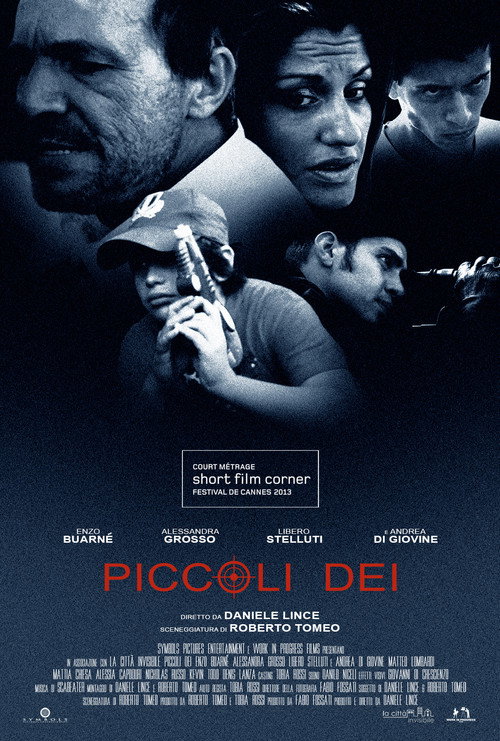
Little Gods 2013
Daniele Lince's short film *Little Gods (2013)* weaves a haunting tapestry of late-summer tension in a rustic Italian village.
Director: Daniele Lince
Cast
Frequently Asked Questions
What is Little Gods (2013) about?
*Little Gods* unfolds over a single late-summer afternoon in rural Italy, where disparate lives intersect under a deceptive calm. A sniper lurks in the bushes, a man makes a desperate plea to a woman, and children play unaware—yet their actions hint at irreversible consequences. The film explores how small decisions ripple into life-altering events, all against the backdrop of a fading season.
Who directed Little Gods?
Little Gods was directed by Daniele Lince, an Italian filmmaker whose work often blends crime drama with atmospheric realism.
Who stars in Little Gods?
The short film features Andrea Di Giovine, Enzo Buarné, Alessandra Grosso, and Libero Stelluti among its lead cast.
Is Little Gods (2013) worth watching?
Though unrated on IMDb, *Little Gods* stands out for its tight 12-minute runtime and moody storytelling. Fans of slow-burn European crime dramas or atmospheric shorts will likely appreciate its quiet intensity. It's less about action and more about tension—ideal for viewers who enjoy character-driven suspense.
How long is Little Gods?
Little Gods has a runtime of 12 minutes.
About Little Gods (2013) — A Late-Summer Crime Drama Unfolding in One Afternoon
Daniele Lince's short film *Little Gods (2013)* weaves a haunting tapestry of late-summer tension in a rustic Italian village. Beneath the golden afternoon light, a sniper lies in wait, a man pleads with a woman to accept a grim choice, and children innocently chase the last warmth of the season. The film balances crime thriller suspense with quiet, observational drama, capturing fleeting moments that hide irreversible decisions. As the sun dips, stakes rise—some characters will face their final summer, others will simply vanish into the dusk.
The Italian drama-thriller thrives on atmosphere, blending quiet dread with understated realism. Lince, known for his sharp visual storytelling, crafts a narrative that lingers long after the credits roll, where every glance and gesture carries weight. The film's genre-blending approach draws comparisons to gritty European crime cinema, but its intimate scale makes it deeply personal—a microcosm of fate playing out in real time.