Za čest vítězů 1921
Set in post-World War I Czechoslovakia, *Za čest vítězů (1921)* follows a group of survivors grappling with the physical and emotional scars of conflict.
Director: Antonín Ludvík Havel
Cast
Frequently Asked Questions
What is Za čest vítězů (1921) about?
The film portrays the aftermath of World War I through the eyes of survivors rebuilding their lives. It delves into the emotional and physical toll of war, focusing on themes of resilience and the search for meaning in a fractured society. The story unfolds with quiet intensity, highlighting personal struggles against a backdrop of societal change.
Who directed Za čest vítězů?
The film was directed by Antonín Ludvík Havel, a notable figure in early Czech cinema known for his dramatic storytelling.
Who stars in Za čest vítězů?
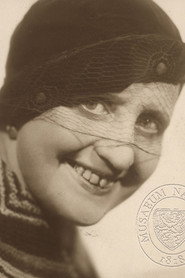
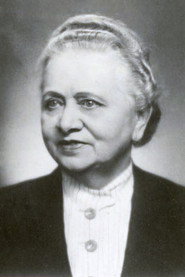
The cast includes Lia Romanová, Antonín Ludvík Havel, Rudolf Myzet, Růžena Maturová, and Václav Menger, delivering performances that anchor the film's emotional core.
Is Za čest vítězů (1921) worth watching?
While the IMDb rating is unavailable, *Za čest vítězů* is a fascinating historical drama that offers insight into post-war Czechoslovakia. Its silent-era storytelling and themes of resilience make it a compelling watch for fans of classic cinema and historical narratives.
How long is Za čest vítězů?
Runtime details are not listed for this film.
About Za čest vítězů (1921) — Silent-Era Drama of War's Lingering Echoes
Set in post-World War I Czechoslovakia, *Za čest vítězů (1921)* follows a group of survivors grappling with the physical and emotional scars of conflict. Directed by Antonín Ludvík Havel, this silent-era drama explores themes of honor, resilience, and the struggle to rebuild lives amid societal fractures. The film's somber atmosphere lingers as characters confront the weight of their past, their futures uncertain yet charged with quiet determination. With a cast including Lia Romanová and Rudolf Myzet, Havel crafts a poignant portrait of a generation caught between loss and the faint hope of victory's meaning. The black-and-white visuals, punctuated by emotional performances, immerse viewers in the raw humanity of a nation searching for its footing.
As one of the earliest Czech films to tackle the aftermath of war, *Za čest vítězů* stands as a historical artifact and a testament to early cinematic storytelling. The director's keen eye for character-driven narratives shines through, offering a glimpse into the collective psyche of a people determined to move forward. Though silent, the film's power lies in its ability to convey profound emotion without words, making it a compelling watch for lovers of classic cinema and historical dramas alike.