The Spring and Fall of Nina Polanski 1974
A fleeting yet profound animated short, *The Spring and Fall of Nina Polanski* (1974) directed by Joan Hutton, transforms the life of its titular character into a striking commentary on domesticity and identity.
Director: Joan Hutton
Frequently Asked Questions
What is *The Spring and Fall of Nina Polanski* (1974) about?
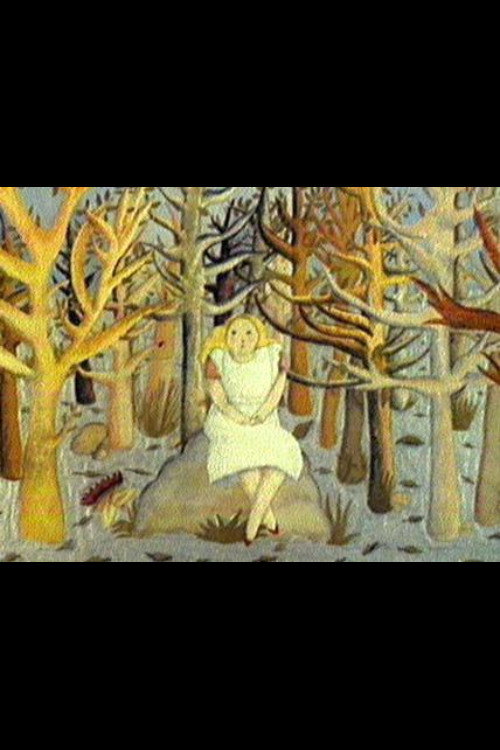
This six-minute animated short follows Nina Polanski, a woman whose life shifts from the excitement of marriage and domesticity to a surreal transformation where she merges with the very tools of her routine. A walk in the woods becomes her journey back to reclaiming her true self amid the constraints of societal expectations.
Who directed *The Spring and Fall of Nina Polanski*?
The film was directed by Joan Hutton, an animator whose work often explores themes of identity and transformation through minimalist yet impactful visual storytelling.
Who stars in *The Spring and Fall of Nina Polanski*?
Cast details for the film are not officially listed; the narrative centers entirely on the character Nina Polanski, animated with expressive, symbolic depth.
Is *The Spring and Fall of Nina Polanski* (1974) worth watching?
Though unrated and obscure, this six-minute animated short offers a powerful, thought-provoking experience. Its themes of identity and domesticity resonate strongly, especially for fans of experimental animation and feminist cinema. The film's brevity and visual inventiveness make it a compelling watch for those seeking something unique.
How long is *The Spring and Fall of Nina Polanski*?
The runtime of *The Spring and Fall of Nina Polanski* is six minutes.
The Spring and Fall of Nina Polanski (1974): A Haunting 6-Minute Animation Masterpiece
A fleeting yet profound animated short, *The Spring and Fall of Nina Polanski* (1974) directed by Joan Hutton, transforms the life of its titular character into a striking commentary on domesticity and identity. Crafted in just six minutes, the film traces Nina Polanski's journey from a vibrant bride, surrounded by flashing cameras and joyous celebration, into the quiet, repetitive motions of household chores. Over time, she becomes indistinguishable from the appliances she operates—an iron, a dishwasher—until a solitary walk into the woods becomes her act of reclaiming selfhood. The animation employs minimalist yet evocative visuals to explore themes of autonomy, societal expectations, and the erosion of individuality within domestic life. Hutton's work lingers like a dream, blending stark realism with surreal undertones to deliver a haunting meditation on womanhood and personal liberation.
Despite its brevity, the film resonates with emotional weight, using Nina's transformation as a metaphor for the stifling routines that can consume identity. The woodlands serve as both escape and revelation, where she rediscovers the person she once was, untethered from the roles imposed upon her. The stark contrast between the opening's colorful festivities and the later monochrome monotony underscores the film's critique of tradition, while its ambiguous ending invites viewers to ponder what it truly means to reclaim one's freedom. A hidden gem of 1970s animation, *The Spring and Fall of Nina Polanski* remains a poignant reminder of the delicate balance between duty and selfhood.