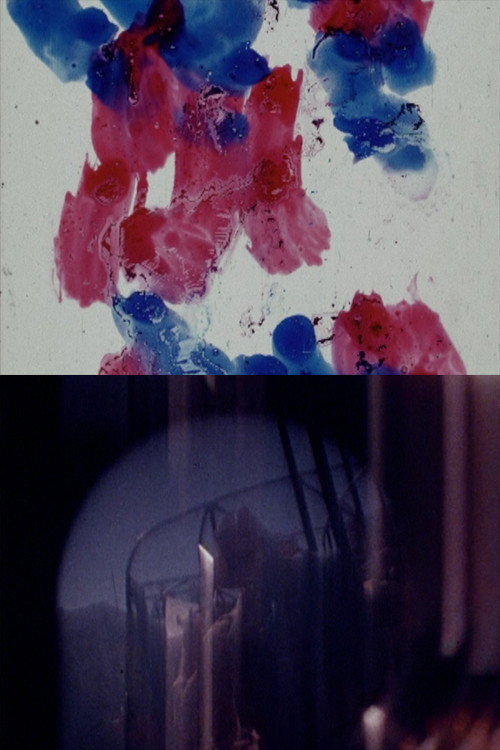
You Can See 1981
This ultra-short 1981 experimental film by director Dean Snider strips cinema down to its barest visual essence.
Director: Dean Snider
Frequently Asked Questions
What is You Can See (1981) about?
This experimental short film by Dean Snider uses visual storytelling to explore themes of perception and fleeting moments, condensed into a tight two-minute runtime. It's less about narrative and more about how light, shadow, and composition shape our understanding of what we see—or don't see.
Who directed You Can See?
The film was directed by Dean Snider, an experimental filmmaker known for his concise yet impactful visual works.
Who stars in You Can See?
The cast details are not listed for this short film.
Is You Can See (1981) worth watching?
As a two-minute experimental piece, *You Can See (1981)* is best suited for fans of avant-garde cinema or those curious about minimalist filmmaking. Its unconventional approach may not appeal to everyone, but its artistic ambition makes it a memorable watch for niche audiences.
How long is You Can See?
The film runs for exactly 2 minutes.
About You Can See (1981) — A 2-Minute Experimental Film That Challenges How You Look
This ultra-short 1981 experimental film by director Dean Snider strips cinema down to its barest visual essence. Shot in just two minutes, *You Can See (1981)* transforms fleeting moments into a hypnotic study of perception, using striking composition and minimalist storytelling to explore themes of visibility and absence. The atmosphere is dreamlike yet precise, inviting viewers to question what we notice—and what slips past us unobserved. With no dialogue and limited cast, the film hinges on subtle visual cues and the director's keen eye for framing, offering a refreshing break from conventional narrative structures.
While its brevity defies traditional storytelling, *You Can See (1981)* thrives on its experimental spirit, blurring the line between art and cinema. The production's constraints become its strength, creating a piece that feels both intimate and expansive in its ideas. Whether you're drawn to avant-garde filmmaking or simply curious about how a two-minute film can leave a lasting impression, Snider's work challenges viewers to engage more deeply with the act of seeing itself.