The Angel of the Studio 1912
In the 1912 silent-era drama *The Angel of the Studio*, a young woman in early 20th-century America grapples with the societal pressure to alter her natural appearance to win the affection of an artist.
Director: Harry Solter
Cast
Frequently Asked Questions
What is The Angel of the Studio (1912) about?
The film follows an unattractive young woman who transforms herself to appeal to an artist, only to discover his infatuation is with her artificial beauty rather than her true self.
Who directed The Angel of the Studio?
Harry Solter directed this early silent film, known for his work in pioneering cinema during the 1910s.
Who stars in The Angel of the Studio?
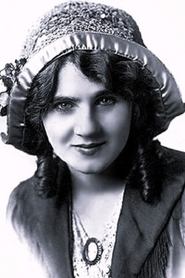
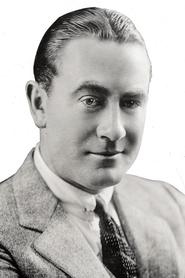
The Angel of the Studio features Florence Lawrence and Owen Moore, two of the most prominent actors of the silent film era.
Is The Angel of the Studio (1912) worth watching?
While it's a silent short from 1912, its themes of self-acceptance and artistic perception make it a fascinating watch for fans of early cinema. The film's brief runtime and historical significance add to its appeal.
How long is The Angel of the Studio?
The Angel of the Studio has a runtime of approximately 11 minutes.
About The Angel of the Studio (1912) — Silent-Era Romance & Drama Classic
In the 1912 silent-era drama *The Angel of the Studio*, a young woman in early 20th-century America grapples with the societal pressure to alter her natural appearance to win the affection of an artist.
The film, helmed by director Harry Solter and starring the legendary Florence Lawrence and Owen Moore, explores themes of authenticity and perception as the protagonist's efforts to conform to conventional beauty standards clash with the artist's inability to see beyond surface charm. With its intimate runtime and evocative storytelling, this short silent film offers a poignant glimpse into the tensions between inner worth and external beauty that defined much of early cinema.