Chambers 1978
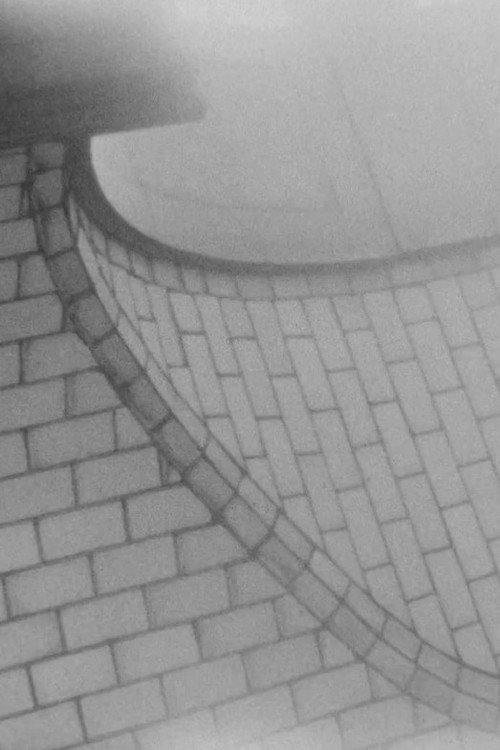
Chambers (1978) is a hauntingly minimalist short film shot in stark black and white on 16mm film, silently unfolding a meditative exploration of space and solitude.
Director: Jim Jennings
Frequently Asked Questions
What is Chambers (1978) about?
Chambers (1978) is a silent, six-minute short film that uses stark black-and-white visuals to explore themes of solitude and the unspoken narratives within empty spaces. Without dialogue or sound, the movie relies on its cinematography to evoke a sense of quiet tension and introspection.
Who directed Chambers?
Chambers was directed by Jim Jennings, a filmmaker known for his experimental approach to visual storytelling.
Who stars in Chambers?
Cast information for Chambers (1978) is not publicly available.
Is Chambers (1978) worth watching?
While Chambers (1978) isn't a mainstream feature, its experimental style and striking visuals make it a compelling watch for fans of silent cinema and avant-garde filmmaking. Its brevity and artistic ambition set it apart as a unique piece worth experiencing.
How long is Chambers?
Chambers (1978) has a runtime of 6 minutes.
About Chambers (1978) — A Silent 6-Minute Meditation on Space and Solitude
Chambers (1978) is a hauntingly minimalist short film shot in stark black and white on 16mm film, silently unfolding a meditative exploration of space and solitude. Directed by Jim Jennings, this six-minute silent work strips narrative to its bare essentials, inviting viewers to immerse themselves in a world where atmosphere outweighs dialogue. The film's deliberate pacing and absence of sound create an eerie, introspective mood, transforming ordinary chambers—whether rooms or corridors—into spaces that feel charged with unseen tension. Its experimental nature challenges audiences to find meaning in absence, offering a cinematic experience that lingers long after the final frame.
As a silent short from the late 1970s, Chambers (1978) stands out for its artistic restraint and technical precision. Jim Jennings' direction favors visual storytelling over exposition, allowing the interplay of light, shadow, and composition to communicate ideas that words might dilute. The film's monochrome palette heightens the contrast between emptiness and potential, evoking themes of isolation, reflection, and the quiet drama hidden in everyday environments.