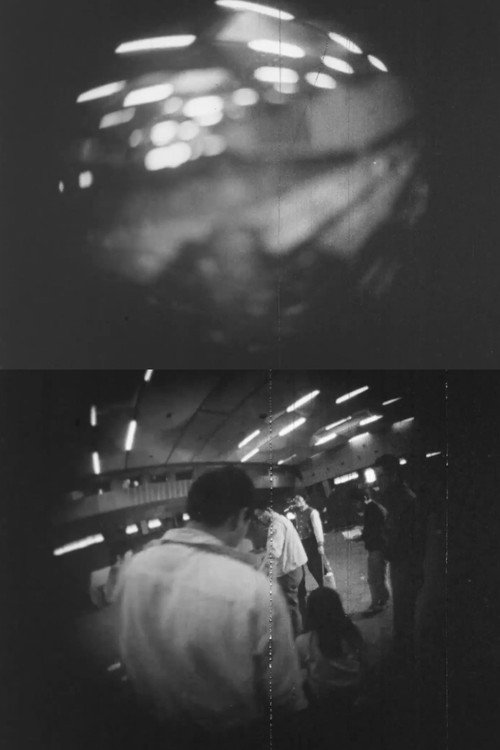
At the Auditorium of Nihon University College of Art 1968
A fleeting yet intriguing snapshot of Japan's countercultural pulse, *At the Auditorium of Nihon University College of Art* (1968) captures a single moment in time through the lens of experimental filmmaker Motoharu Jônouchi.
Director: Motoharu Jônouchi
Frequently Asked Questions
What is *At the Auditorium of Nihon University College of Art* (1968) about?
This short documentary by Motoharu Jônouchi captures a live student event at Nihon University's College of Art, blending unscripted dialogue, artistic debate, and the restless energy of 1960s Japan. It's a cinematic snapshot of youth culture, activism, and creative ferment during a pivotal moment in history.
Who directed *At the Auditorium of Nihon University College of Art*?
The film was directed by Motoharu Jônouchi, a pioneering figure in Japanese experimental and documentary cinema known for his bold, politically charged visual style.
Who stars in *At the Auditorium of Nihon University College of Art*?
As a documentary, the film features an ensemble of university students and artists, though the specific cast names are not listed in available records.
Is *At the Auditorium of Nihon University College of Art* (1968) worth watching?
For fans of avant-garde cinema or Japanese New Wave history, this six-minute film offers a fascinating glimpse into 1960s student movements and artistic dissent. Its historical and cultural value outweighs its brevity, making it a compelling watch for niche audiences.
How long is *At the Auditorium of Nihon University College of Art*?
The runtime is 6 minutes.
At the Auditorium of Nihon University College of Art (1968) — A Six-Minute Time Capsule of 1960s Student Rebellion
A fleeting yet intriguing snapshot of Japan's countercultural pulse, *At the Auditorium of Nihon University College of Art* (1968) captures a single moment in time through the lens of experimental filmmaker Motoharu Jônouchi. This six-minute documentary immerses viewers in the raw energy of a student gathering, where ideas collide and artistic rebellion simmers beneath the surface. Shot amid the ferment of late-1960s Tokyo, the film reflects the restless spirit of a generation questioning authority through art, music, and unfiltered expression. With a handheld urgency, Jônouchi transforms a university hall into a stage for fleeting dialogue and unscripted spontaneity, leaving behind more than just celluloid—it preserves a fragment of history.
Though brief, the film pulses with the tension and vitality of its era. It's less a traditional documentary and more a visual diary, where every frame hums with the possibility of transformation. The black-and-white imagery sharpens the focus on faces, gestures, and the unspoken energy of the crowd, evoking the same cinematic daring that defined Japanese New Wave films of the period. For cinephiles and history enthusiasts alike, *At the Auditorium of Nihon University College of Art* offers a rare glimpse into a cultural crossroads—one where cinema, politics, and youth culture intertwined.