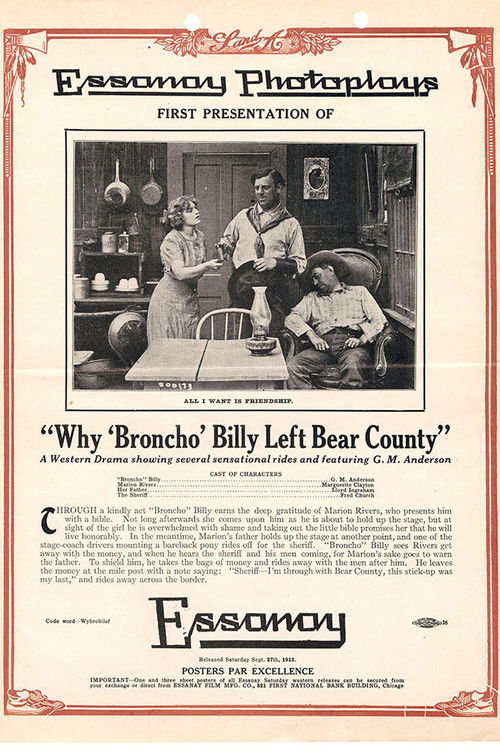
Why Broncho Billy Left Bear County 1913
Why Broncho Billy Left Bear County (1913) is a classic Western short that tells a tale of redemption and moral transformation. Directed by Gilbert M.
Director: Gilbert M. Anderson
Cast

Frequently Asked Questions
What is Why Broncho Billy Left Bear County (1913) about?
The film follows Broncho Billy, a man who receives a Bible from Marion Rivers after helping her. When she later catches him about to rob a stagecoach, he's overcome with shame and vows to live honorably, marking his transformation from outlaw to redeemed man.
Who directed Why Broncho Billy Left Bear County?
The film was directed by Gilbert M. Anderson, a pioneering figure in early Western cinema who also starred in and wrote many of his productions.
Who stars in Why Broncho Billy Left Bear County?
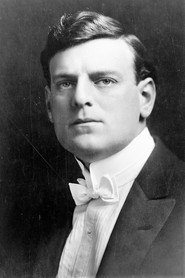
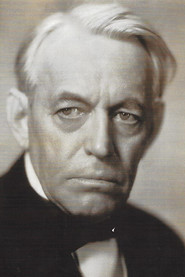
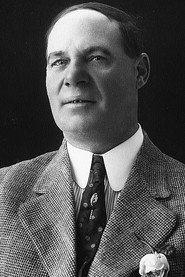
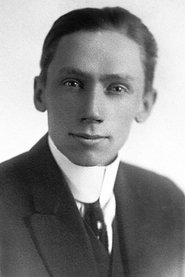
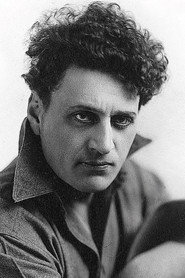
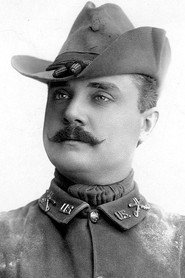
The film features Gilbert M. Anderson as Broncho Billy alongside Marguerite Clayton, Lloyd Ingraham, Harry Todd, Victor Potel, and Fred Church.
Is Why Broncho Billy Left Bear County (1913) worth watching?
As an unrated silent Western short, it offers historical significance for film enthusiasts interested in early Western development. Its 13-minute runtime makes it an accessible glimpse into 1913 cinema, particularly for fans of character-driven redemption stories.
How long is Why Broncho Billy Left Bear County?
The film has a runtime of 13 minutes.
Why Broncho Billy Left Bear County (1913): A Western Redemption Story
Why Broncho Billy Left Bear County (1913) is a classic Western short that tells a tale of redemption and moral transformation. Directed by Gilbert M. Anderson, who also stars as the titular character, this 13-minute drama follows Broncho Billy as he encounters Marion Rivers, a kind-hearted woman who gifts him a Bible after he performs a good deed. The story takes a pivotal turn when Marion unexpectedly discovers Billy preparing to rob a stagecoach, an encounter that triggers his profound change of heart.
Set against the rugged backdrop of the American frontier, the film explores themes of guilt, honor, and the power of conscience. The dramatic tension builds as Marion's father becomes involved in a separate stagecoach holdup, while a stagecoach driver races to summon the sheriff. This early silent Western showcases Anderson's pioneering approach to character-driven storytelling, featuring supporting performances from Marguerite Clayton, Lloyd Ingraham, and Harry Todd. The brief runtime delivers a complete moral arc, making it a fascinating glimpse into the formative years of Western cinema.