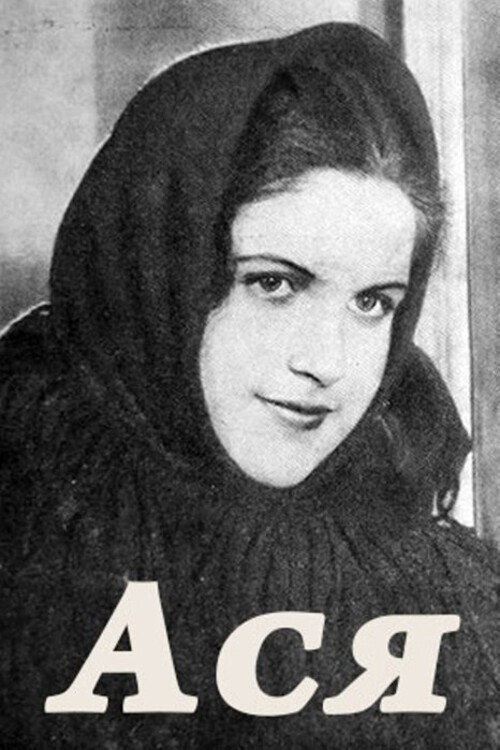
Asya 1928
Dive into the passionate yet tumultuous love story of *Asya (1928)*, a silent-era drama directed by Aleksandr Ivanovsky.
Director: Aleksandr Ivanovsky
Cast


Frequently Asked Questions
What is Asya (1928) about?
The film follows Asya, the illegitimate daughter of writer Ivan Turgenev, as she leaves her estate for St. Petersburg with her lover. Their passionate journey intertwines personal drama with historical events from Turgenev's life, creating a gripping tale of rebellion and romance set against 19th-century Russia.
Who directed Asya?
Aleksandr Ivanovsky directed *Asya*, skillfully blending historical drama with emotional storytelling.
Who stars in Asya?
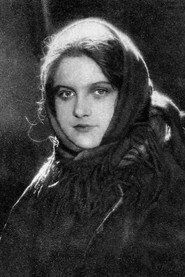
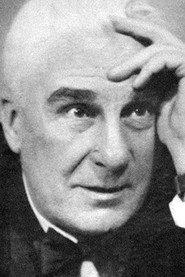
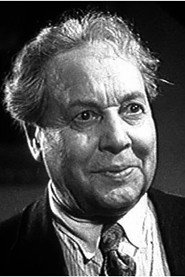
The film stars Olga Rozevskaya as Asya, with Konstantin Khokhlov, Ekaterina Korchagina-Aleksandrovskaya, Anatoli Nelidov, and Irina Volodko rounding out the cast.
Is Asya (1928) worth watching?
For silent-era drama enthusiasts, *Asya* offers a compelling mix of romance and historical intrigue. While it lacks a modern IMDb rating, its atmospheric direction and thematic depth make it a worthy watch for fans of early cinema and classic love stories.
How long is Asya?
Asya runs for 77 minutes, a concise runtime that keeps the story tight and engaging.
About Asya (1928) — A Silent-Era Romance Rooted in Real Life
Dive into the passionate yet tumultuous love story of *Asya (1928)*, a silent-era drama directed by Aleksandr Ivanovsky. Loosely inspired by real events from Ivan Turgenev's life, the film follows Asya, the writer's illegitimate daughter, as she flees her estate for the bustling streets of St. Petersburg with her lover. Their journey unfolds against a backdrop of societal constraints and personal longing, blending historical authenticity with cinematic romance. Ivanovsky crafts a visually rich narrative, capturing the emotional intensity of a woman torn between duty and desire.
Starring Olga Rozevskaya in the titular role, alongside Konstantin Khokhlov and Ekaterina Korchagina-Aleksandrovskaya, *Asya* delivers a poignant exploration of forbidden love and self-discovery. The film's atmospheric direction and dramatic tension make it a standout in early Soviet cinema, offering a window into 19th-century Russian society through a modern lens.