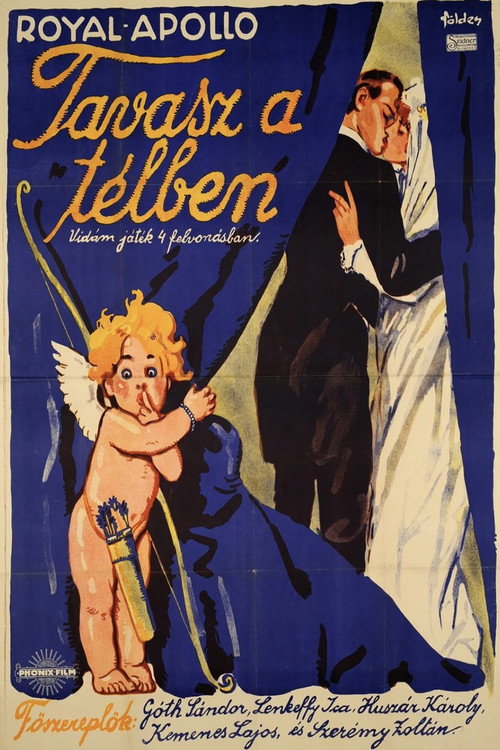
Spring in Winter 1918
Dive into the tender romance of *Spring in Winter (1918)*, a Hungarian silent-era gem directed by the legendary Michael Curtiz.
Director: Michael Curtiz
Cast



Frequently Asked Questions
What is Spring in Winter (1918) about?
Set in a snowy European town, *Spring in Winter* follows two lovers separated by circumstance, their bond tested by misunderstanding and societal expectations. The film paints a delicate portrait of love's endurance, where fleeting moments of warmth contrast with the harsh realities of winter.
Who directed Spring in Winter?
Michael Curtiz, the visionary filmmaker behind classics like *Casablanca*, directed *Spring in Winter*. This early work showcases his knack for blending emotional depth with striking visuals.
Who stars in Spring in Winter?
The film stars Sándor Góth, Lajos Kemenes, Ica von Lenkeffy, Zoltán Szerémi, and Károly Huszár in prominent roles.
Is Spring in Winter (1918) worth watching?
While it lacks the polish of Curtiz's later works, *Spring in Winter* is a charming relic of silent cinema romance. Its emotional core and historical significance make it a delightful watch for fans of early film or Hungarian cinema.
How long is Spring in Winter?
Runtime details are not listed.
About Spring in Winter (1918) — A Silent-Era Romance of Hope in the Depths of Winter
Dive into the tender romance of *Spring in Winter (1918)*, a Hungarian silent-era gem directed by the legendary Michael Curtiz. Set against a backdrop of snow-laden streets and frost-kissed hope, this early 20th-century love story explores the bittersweet clash between fleeting passion and unyielding duty. With delicate performances from Sándor Góth and Ica von Lenkeffy, the film weaves a poignant narrative of longing and sacrifice, where winter's chill mirrors the emotional frost of misunderstanding. Curtiz's masterful direction crafts a dreamlike atmosphere, blending melancholy with quiet resilience as two souls navigate the fragile warmth of connection in an unforgiving world.
As one of Curtiz's earliest works, *Spring in Winter* offers a glimpse into the director's evolving style, infused with the emotional depth and visual poetry of silent cinema. The film's title itself evokes a paradox—love blooming where it seems impossible—inviting viewers to suspend disbelief and embrace the tender absurdity of fate. Though stripped of dialogue, the story speaks volumes through expressive faces and sweeping landscapes, proving that even in silence, love's language is universal.