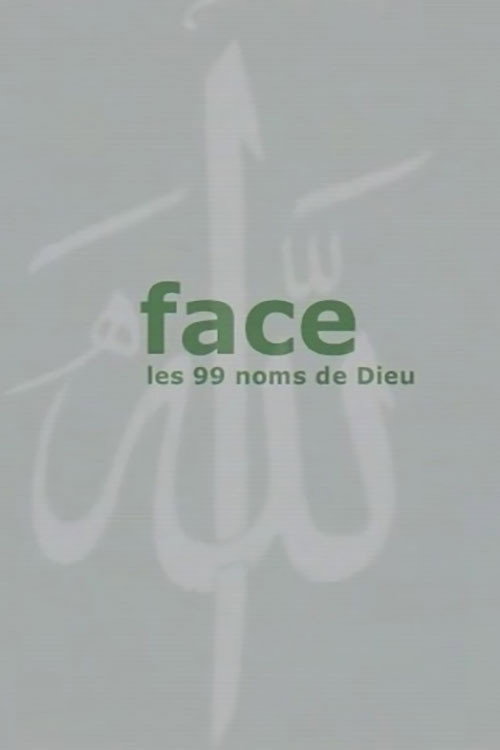
Face, les 99 noms de dieu 1999
In *Face, les 99 noms de dieu (1999)*, Moroccan artist Mounir Fatmi crafts a mesmerizing 10-minute visual meditation on divine names, weaving together Islamic spirituality and contemporary art.
Director: Mounir Fatmi
Frequently Asked Questions
What is Face, les 99 noms de dieu (1999) about?
This short film presents the 99 names of God as found in Islamic tradition, displayed one by one using crossfading visuals. Moroccan artist Mounir Fatmi transforms these sacred names into a meditative experience, blending spirituality with modern art techniques.
Who directed Face, les 99 noms de dieu?
The film was directed by Mounir Fatmi, a prominent Moroccan artist known for his experimental approach to visual storytelling and cultural themes.
Who stars in Face, les 99 noms de dieu?
Director information is not available, as the film focuses on textual and visual elements rather than traditional casting.
Is Face, les 99 noms de dieu (1999) worth watching?
As a 10-minute experimental short, it offers a unique blend of art and spirituality that may appeal to fans of avant-garde cinema or those interested in Islamic traditions. Its minimalist yet profound approach makes it a niche but rewarding experience.
How long is Face, les 99 noms de dieu?
The runtime is exactly 10 minutes.
About Face, les 99 noms de dieu (1999) — A Short Film Exploring Divine Names Through Art
In *Face, les 99 noms de dieu (1999)*, Moroccan artist Mounir Fatmi crafts a mesmerizing 10-minute visual meditation on divine names, weaving together Islamic spirituality and contemporary art. The short film unfolds as a hypnotic sequence of 99 names attributed to God in religious texts, each appearing on screen through fluid crossfading transitions. Written in Latin script, the names carry an almost sacred cadence, inviting viewers to ponder the essence of the divine through minimalist yet profound imagery. The atmosphere is contemplative, blending ritualistic reverence with modern cinematic techniques, creating a work that feels both timeless and cutting-edge.
This experimental piece stands out in the realm of short films, appealing to those drawn to visual art, religious studies, or avant-garde cinema. Fatmi's choice to present the names in a non-traditional script—without cultural or linguistic barriers—opens the piece to a global audience, encouraging reflection on the universality of faith. The understated elegance of the film, paired with its spiritual undertones, makes it a compelling watch for anyone interested in the intersection of art and theology.