Children of Hiroshima 1952
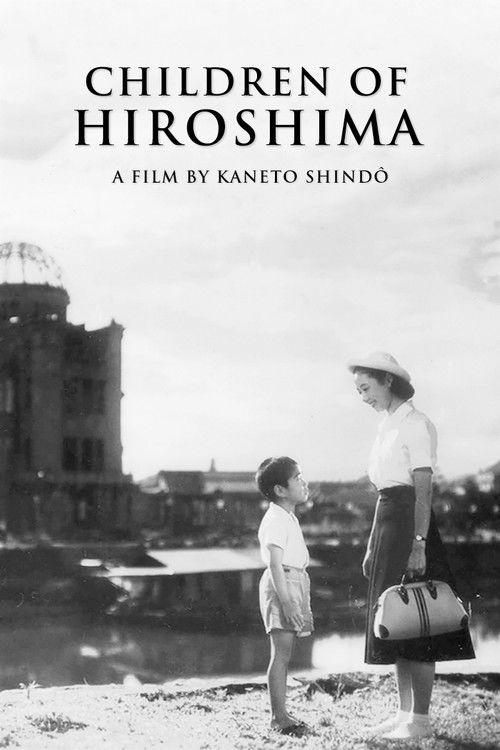
Directed by Kaneto Shindō, *Children of Hiroshima (1952)* is a poignant drama set against the harrowing backdrop of post-war Japan, where the scars of the atomic bomb linger in every shattered street and whispered memory.
Director: Kaneto Shindō
Cast
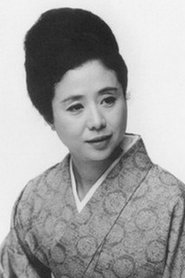
Nobuko Otowa
Takako Ishikawa
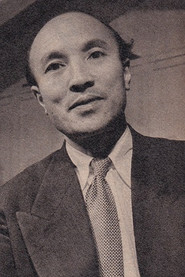
Osamu Takizawa
Iwakichi
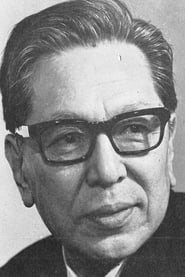
Masao Shimizu
Toshiaki
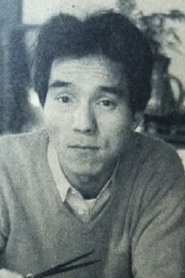
Jūkichi Uno
Kōji (deleted scenes; cenas apagadas)
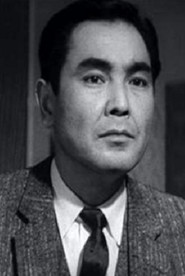
Akira Yamanouchi
(as Akira Yamauchi; como Akira Yamauchi)
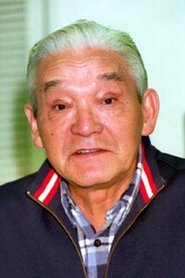
Jun Tatara
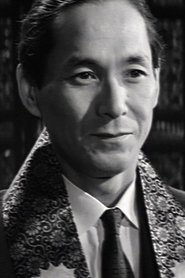
Tsutomu Shimomoto
Natsue Morikawa's husband (Marido da Natsue Morikawa)
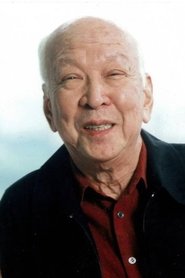
Hideji Ōtaki
Eiken Shoji
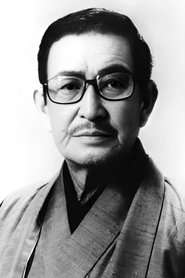
Shinsuke Ashida
Frequently Asked Questions
What is *Children of Hiroshima* (1952) about?
*Children of Hiroshima* follows a teacher's journey back to her war-torn hometown, where she confronts the lingering devastation of the atomic bomb. Through her eyes, the film explores the struggle of ordinary Japanese citizens to reclaim their lives amid the ruins, blending personal loss with collective healing.
Who directed *Children of Hiroshima*?
*Children of Hiroshima* was directed by Kaneto Shindō, a visionary filmmaker known for blending social realism with deeply human stories in his works.
Who stars in *Children of Hiroshima*?
The film features Nobuko Otowa in the lead role, supported by Osamu Takizawa, Masao Shimizu, Jūkichi Uno, and Akira Yamanouchi.
Is *Children of Hiroshima* (1952) worth watching?
*Children of Hiroshima* (1952) is a powerful and historically significant drama that offers a raw, emotional perspective on post-war trauma. While not light viewing, its themes of resilience and remembrance make it a must-watch for fans of war cinema and classic film.
How long is *Children of Hiroshima*?
*Children of Hiroshima* has a runtime of 97 minutes.
Children of Hiroshima (1952): A Heartbreaking Post-War Drama — Full Movie Info
Directed by Kaneto Shindō, *Children of Hiroshima (1952)* is a poignant drama set against the harrowing backdrop of post-war Japan, where the scars of the atomic bomb linger in every shattered street and whispered memory. Nobuko Otowa leads a cast that embodies resilience as they navigate a fractured society, torn between grief and the fragile hope of rebuilding. The film weaves a fictional narrative through real devastation, capturing the emotional and physical toll of war with unflinching honesty. Shindō's masterful direction infuses each frame with a somber yet deeply human atmosphere, making it a landmark in war cinema.
As a genre-defining work, *Children of Hiroshima* balances raw drama with quiet introspection, reflecting on the enduring spirit of a generation forced to confront unimaginable loss. Otowa's performance anchors the story, while the supporting cast—including Osamu Takizawa and Masao Shimizu—deliver performances steeped in authenticity. The film's themes of survival, memory, and redemption resonate as powerfully today as they did in 1952, cementing its place in cinematic history.