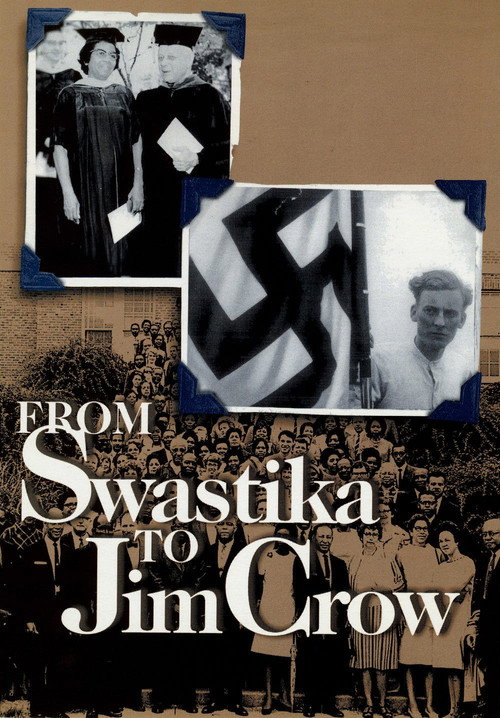
From Swastika to Jim Crow 2000
Directed by Martin D. Toub, *From Swastika to Jim Crow* (2000) uncovers a remarkable chapter in history where Jewish refugees fleeing Nazi Germany found unexpected solidarity in the segregated American South.
Director: Martin D. Toub
Cast
Frequently Asked Questions
What is From Swastika to Jim Crow (2000) about?
This documentary tells the untold story of Jewish scholars who fled Nazi Germany and unexpectedly found teaching roles at historically Black colleges in the American South. Their shared struggles against racism and anti-Semitism forged deep connections that reshaped communities and education during a turbulent era.
Who directed From Swastika to Jim Crow?
The film was directed by Martin D. Toub, blending history with compelling human stories.
Who stars in From Swastika to Jim Crow?
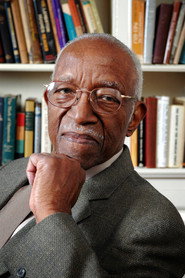
The documentary features insights from historian John Hope Franklin and writer Lucy Sante, alongside archival contributions.
Is From Swastika to Jim Crow (2000) worth watching?
As a historical documentary, it offers a unique lens on a lesser-known intersection of civil rights and Jewish refugee experiences. While not widely rated, its themes of resilience and solidarity make it a compelling watch for history and social justice enthusiasts.
How long is From Swastika to Jim Crow?
The runtime is 60 minutes.
About From Swastika to Jim Crow (2000) — Jewish and Black academic bonds in the segregated South
Directed by Martin D. Toub, *From Swastika to Jim Crow* (2000) uncovers a remarkable chapter in history where Jewish refugees fleeing Nazi Germany found unexpected solidarity in the segregated American South. Facing widespread anti-Semitism and limited opportunities in academia, many intellectuals and scholars secured teaching positions at historically Black colleges. There, they not only shaped young minds but also forged deep connections with their students and communities, leaving a lasting impact on both cultures.
This documentary explores the poignant intersections of Jewish and African American experiences during the mid-20th century. Through archival footage and personal accounts, it paints a vivid portrait of resilience, cultural exchange, and the power of education amid adversity. The film's atmosphere is both reflective and thought-provoking, offering a fresh perspective on historical narratives often overshadowed by mainstream accounts.