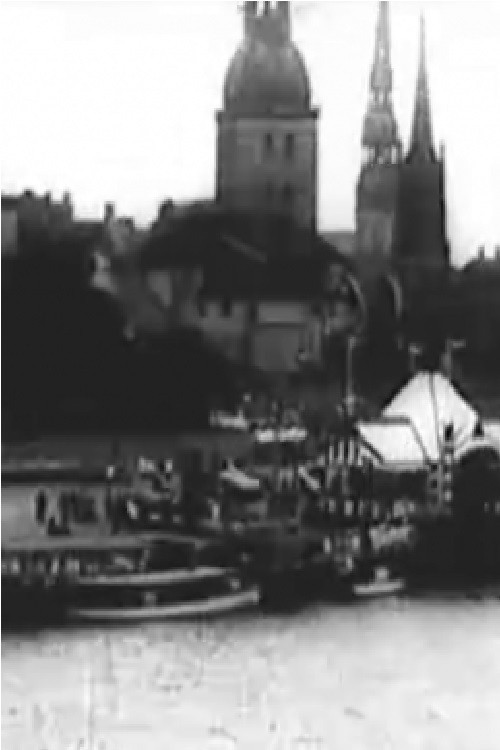
Krievijas imperatora Nikolaja II viesošanās Rīgā 1910
Step back to 1910 Riga and witness a pivotal moment in Latvian and Russian history through the lens of cinema's pioneer era.
Frequently Asked Questions
What is Krievijas imperatora Nikolaja II viesošanās Rīgā (1910) about?
This short silent documentary records the official visit of Tsar Nicholas II to Riga in 1910, documenting his motorcade, public ceremonies, and the city's reaction. It offers a rare window into imperial diplomacy, early urban life in Riga, and the cultural atmosphere of the time.
Who directed Krievijas imperatora Nikolaja II viesošanās Rīgā?
Director information is not available.
Who stars in Krievijas imperatora Nikolaja II viesošanās Rīgā?
The film primarily features Russian Emperor Nicholas II, Riga's civic leaders, and local dignitaries along the ceremonial route.
Is Krievijas imperatora Nikolaja II viesošanās Rīgā (1910) worth watching?
As a historical and cinematic artifact, the film is invaluable for its rarity and cultural significance. Though brief and technically primitive by modern standards, it offers a unique glimpse into early 20th-century Riga and imperial protocol—perfect for history enthusiasts and early cinema fans.
How long is Krievijas imperatora Nikolaja II viesošanās Rīgā?
The film runs approximately 10 minutes in length.
About Krievijas imperatora Nikolaja II viesošanās Rīgā (1910) — Latvia's First Film Captures Imperial History
Step back to 1910 Riga and witness a pivotal moment in Latvian and Russian history through the lens of cinema's pioneer era. This rare documentary captures the historic visit of Russian Emperor Nicholas II to Latvia's capital, marking the very first motion picture ever shot on Latvian soil. Framed in the restrained visual language of early silent film, the footage transports viewers to a city caught between imperial grandeur and burgeoning national identity. The ten-minute reel glimpses motorcades moving through cobbled streets, dignitaries lining ceremonial routes, and the quiet anticipation of a people witnessing history firsthand. Though shot over a century ago, the grainy monochrome images resonate with themes of sovereignty, diplomacy, and the dawn of modern Latvian self-awareness. This cinematic relic isn't just a historical footnote—it's a time capsule of a nation on the cusp of change, preserved in flickering silver nitrate.
Krievijas imperatora Nikolaja II viesošanās Rīgā (1910) belongs to the documentary and historical genres, offering a rare portal into imperial protocol and early 20th-century urban life. While the director's identity remains lost to time, the film's significance endures as a cultural artifact and a testament to Latvia's cinematic origins. Whether you're drawn by history, early cinema, or the mystique of royal pageantry, this 10-minute glimpse into the past delivers an atmospheric, quietly powerful experience—one that connects the threads of empire, ethnicity, and evolving national consciousness.