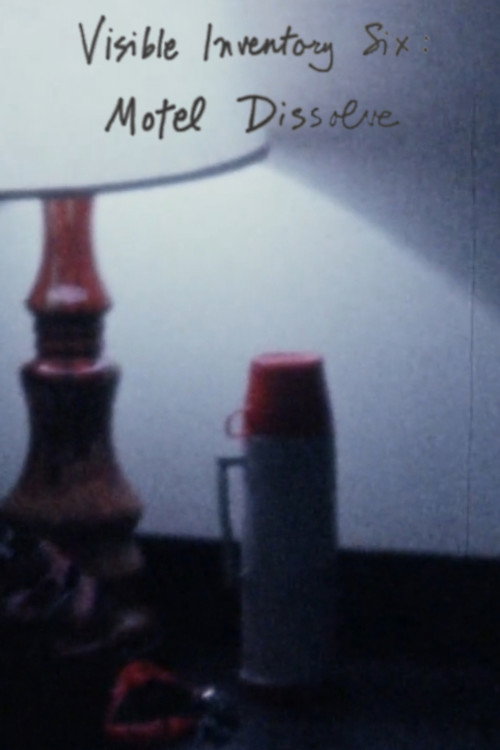
Visible Inventory 6: Motel Dissolve 1978
Janis Crystal Lipzin's *Visible Inventory 6: Motel Dissolve* (1978) is a hypnotic 15-minute experimental film that transforms mundane road trips into a meditative exploration of repetition and anonymity.
Director: Janis Crystal Lipzin
Frequently Asked Questions
What is Visible Inventory 6: Motel Dissolve (1978) about?
This experimental short by Janis Crystal Lipzin captures the repetitive, nameless motel rooms she encountered during cross-country trips, overlaying the footage with the towns' names. It's a poetic reflection on anonymity, movement, and the passage of time in transient spaces.
Who directed Visible Inventory 6: Motel Dissolve?
The film was directed by Janis Crystal Lipzin, a pioneering experimental filmmaker known for her innovative work in the *Visible Inventory* series.
Who stars in Visible Inventory 6: Motel Dissolve?
Director information is not available.
Is Visible Inventory 6: Motel Dissolve (1978) worth watching?
As a 15-minute experimental film, it's best suited for viewers who appreciate avant-garde cinema and thematic depth over narrative. While not widely rated, its atmospheric approach offers a unique perspective on travel and memory, making it a niche but rewarding experience for fans of the genre.
How long is Visible Inventory 6: Motel Dissolve?
The runtime is 15 minutes.
About Visible Inventory 6: Motel Dissolve (1978) — An Experimental Meditation on Travel and Transience
Janis Crystal Lipzin's *Visible Inventory 6: Motel Dissolve* (1978) is a hypnotic 15-minute experimental film that transforms mundane road trips into a meditative exploration of repetition and anonymity. Part of Lipzin's broader *Visible Inventory* series, this piece captures the fleeting, interchangeable nature of motel rooms visited during transcontinental journeys, where identical spaces dissolve into a blur of transience. Overlaid with the names of the towns—each a faded memory—the film layers geography and time, evoking the quiet solitude of travel without landmarks. The result is a mesmerizing study of place, memory, and the ephemeral beauty of fleeting spaces.
Stripped of visual cues, the motel rooms become vessels for personal reflection, their sameness underscoring the transient connections we form with places. Lipzin's framing and panning shots transform these spaces into fleeting snapshots of modern nomadism, where the absence of personality in the rooms mirrors the emptiness of fleeting encounters. The film's minimalist approach invites viewers to ponder the hidden stories behind seemingly ordinary settings, creating an atmospheric experience that lingers long after the credits roll.