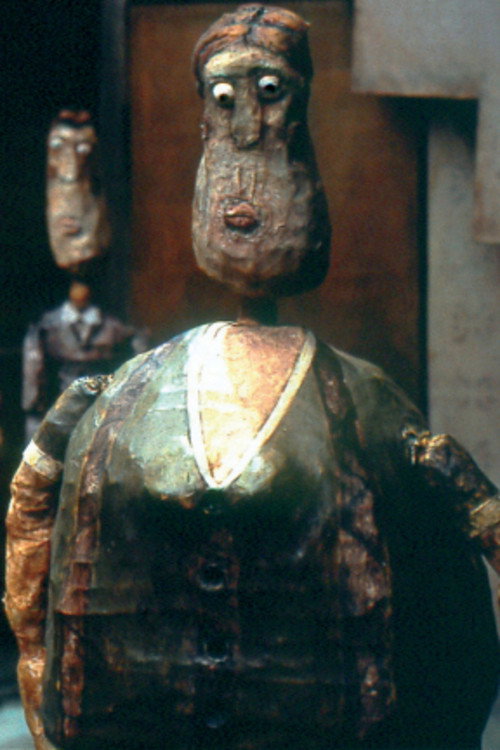
Fini Zayo 2000
In Catherine Buffat's hauntingly poetic short film *Fini Zayo* (2000), hands take center stage—not as tools, but as witnesses. Fidgeting, accusing, fleeing, they trace a silent trial where innocence and guilt blur in the dust of forgotten conflicts.
Director: Catherine Buffat
Cast
Frequently Asked Questions
What is Fini Zayo (2000) about?
*Fini Zayo* (2000) explores the uneasy relationship between memory and materiality through the restless movements of hands and the silent testimony of objects. It weaves a story of guilt, innocence, and fleeting warmth, where everyday items become vessels for ancient conflicts and forgotten emotions.
Who directed Fini Zayo?
Catherine Buffat directed *Fini Zayo* (2000), crafting a visually striking short film that blends poetic symbolism with raw emotional weight.
Who stars in Fini Zayo?
The short film features Frédérique Guichard in the lead role, embodying the restless, expressive energy that drives the film's narrative.
Is Fini Zayo (2000) worth watching?
As an unrated seven-minute animation, *Fini Zayo* (2000) may not have mass appeal, but it's a thought-provoking experience for fans of abstract storytelling. Its minimalist style and thematic depth make it a unique entry in the world of experimental cinema.
How long is Fini Zayo?
Fini Zayo (2000) has a runtime of 7 minutes.
About Fini Zayo (2000) — A Haunting 7-Minute Animation That Plays Like a Dream
In Catherine Buffat's hauntingly poetic short film *Fini Zayo* (2000), hands take center stage—not as tools, but as witnesses. Fidgeting, accusing, fleeing, they trace a silent trial where innocence and guilt blur in the dust of forgotten conflicts. Objects stand in as hollow echoes of past strife, their hollow forms whispering of battles long settled, their surfaces stained with the acid yellow of unresolved tension. Yet beneath the metallic chill of the visuals, fleeting sparks of warmth flicker through, offering a fleeting embrace of nostalgia in a world that feels perpetually on the edge of breaking.
The film's seven-minute runtime is a masterclass in economy, distilling raw emotion into stark, symbolic visuals that linger like the afterimage of a dream. Buffat's direction infuses every frame with a tension that's both unsettling and hypnotic, challenging viewers to sit with the discomfort of memory and the heaviness of unresolved histories. It's an experience that lingers, a meditation on the fragility of human connection and the ghosts we carry in the objects we leave behind.