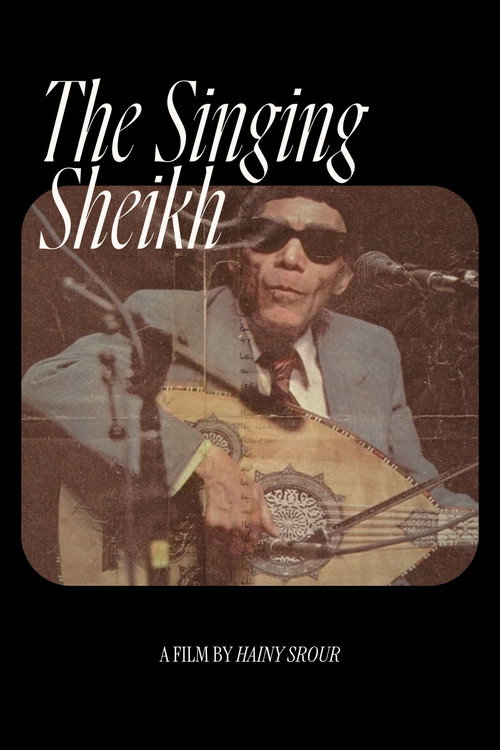
The Singing Sheikh 1991
Dive into the electrifying world of *The Singing Sheikh (1991)*, a short but powerful musical documentary directed by Heiny Srour.
Director: Heiny Srour
Cast
Frequently Asked Questions
What is *The Singing Sheikh* (1991) about?
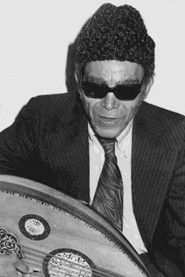
*The Singing Sheikh* is a documentary that follows the life and music of Sheikh Imam Mohammad Ahmad Eissa, a folk singer whose songs targeted Egypt's ruling classes. The film intertwines his protest anthems with scenes of bustling Egyptian streets, painting a portrait of art as a tool for resistance.
Who directed *The Singing Sheikh*?
The film was directed by Heiny Srour, a filmmaker known for her evocative documentaries that tackle social and political themes.
Who stars in *The Singing Sheikh*?
The documentary centers on Sheikh Imam Mohammad Ahmad Eissa, with additional focus on the Egyptian people and their cultural landscape.
Is *The Singing Sheikh* (1991) worth watching?
For fans of music documentaries and political cinema, *The Singing Sheikh* offers a compelling blend of history and artistry. Though brief, its message is potent, and Imam's legacy makes it a must-see for those interested in folk protest and revolution.
How long is *The Singing Sheikh*?
The film runs for 10 minutes.
About The Singing Sheikh (1991) — The folk protest that shook Egyptian society
Dive into the electrifying world of *The Singing Sheikh (1991)*, a short but powerful musical documentary directed by Heiny Srour. This 10-minute film shines a light on Sheikh Imam Mohammad Ahmad Eissa, a legendary folk singer whose biting lyrics became a rallying cry for the oppressed across the Arab world. Banned from state media and jailed multiple times—even during President Nixon's 1974 visit—his songs cut through censorship like a blade, blending the raw energy of Egyptian street life with his unflinching critiques of the elite. Srour's lens captures the grit and defiance of a man whose artistry became a weapon against injustice.
*The Singing Sheikh* isn't just a biography; it's a visceral snapshot of a revolution in sound. With Imam's caustic yet poetic folk songs as its backbone, the film pulses with the rhythms of protest and resilience. The atmosphere is electric, charged with the tension of a society silenced by power. It's a testament to how one voice—however suppressed—can echo louder than the forces trying to drown it out.