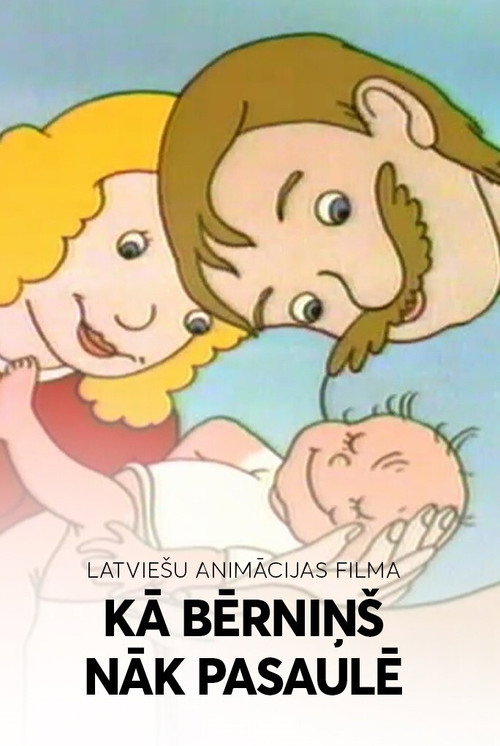
How a Baby Comes Into the World 1991
How a Baby Comes Into the World (1991) is a groundbreaking Latvian animated short that courageously tackles a topic rarely discussed in children's media during its time.
Director: Roze Stiebra
Frequently Asked Questions
What is How a Baby Comes Into the World (1991) about?
This animated short film explains the biological process of childbirth to children in a clear and age-appropriate way. It replaces traditional myths with factual information, presented through the lens of Latvian puppet animation.
Who directed How a Baby Comes Into the World?
The film was directed by Roze Stiebra, a prominent figure in Latvian puppet animation known for her innovative approach to children's cinema.
Who stars in How a Baby Comes Into the World?
Director information is not available.
Is How a Baby Comes Into the World (1991) worth watching?
While its approach is educational and groundbreaking for its time, the film's suitability depends on the child's maturity and parental discretion. As a historical and artistic piece, it offers a unique glimpse into Latvian animation and cultural evolution.
How long is How a Baby Comes Into the World?
The film runs for 10 minutes.
About How a Baby Comes Into the World (1991) — A Puppet Animation Short That Changed Latvian Children's Education
How a Baby Comes Into the World (1991) is a groundbreaking Latvian animated short that courageously tackles a topic rarely discussed in children's media during its time. Directed by the visionary Roze Stiebra, this 10-minute puppet animation film strips away the fairy-tale myths of storks and cabbage patches to reveal the biological reality of childbirth. Produced against the backdrop of Latvia's post-Soviet awakening, the movie reflects the country's cultural shift toward openness and education. The film's gentle yet informative approach transforms a complex subject into an accessible narrative for young viewers, blending science with storytelling in a way that feels both natural and respectful.
The atmosphere is warm and curious, avoiding sensationalism while delivering clarity with artistic flair. As part of Latvia's puppet animation legacy, it stands as a testament to the power of visual storytelling in breaking down taboos. This short film isn't just about facts—it's a cultural artifact that sparked conversations about honesty in education and the importance of accurate representation for children.