Mannenharem 2007
Dutch short film Mannenharem (2007), directed by Eddy Terstall, follows Moroccan-Dutch actor Nasrdin Dchar as he wrestles with an unexpected role proposal.
Director: Eddy Terstall
Cast
Frequently Asked Questions
What is Mannenharem (2007) about?
A Moroccan-Dutch actor is offered a role in a historical drama about Islamic male harems, but his hesitation stems from the character being gay. As he debates the decision, his relationships with his girlfriend and friends become strained, revealing deeper tensions around culture and self-expression.
Who directed Mannenharem?
Eddy Terstall, a Dutch filmmaker known for his nuanced storytelling and focus on multicultural themes.
Who stars in Mannenharem?
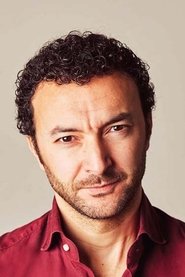
The film stars Nasrdin Dchar, a Moroccan-Dutch actor and comedian, in the lead role.
Is Mannenharem (2007) worth watching?
While ratings aren't available, Mannenharem offers a concise yet thought-provoking dive into identity and cultural expectations. Its dry humor and sharp social commentary make it a compelling watch for fans of Dutch indie cinema and character-driven shorts.
How long is Mannenharem?
Mannenharem runs for 15 minutes.
About Mannenharem (2007) — When a groundbreaking role forces an actor to confront his identity
Dutch short film Mannenharem (2007), directed by Eddy Terstall, follows Moroccan-Dutch actor Nasrdin Dchar as he wrestles with an unexpected role proposal.
The story unfolds over a few tense days as Nasrdin hesitates to accept a part in a historical drama depicting Islamic male harems—a narrative centered on a gay character. His reluctance sparks friction with his girlfriend, who misinterprets his silence as detachment, while his Moroccan friends mock him for potentially compromising cultural expectations. Terstall crafts a dry, introspective tone that turns personal conflict into a quietly powerful exploration of identity, tradition, and the weight of representation on screen.
This 15-minute film blends humor and social commentary, offering a sharp yet understated look at the pressures artists face when stepping outside familiar roles.