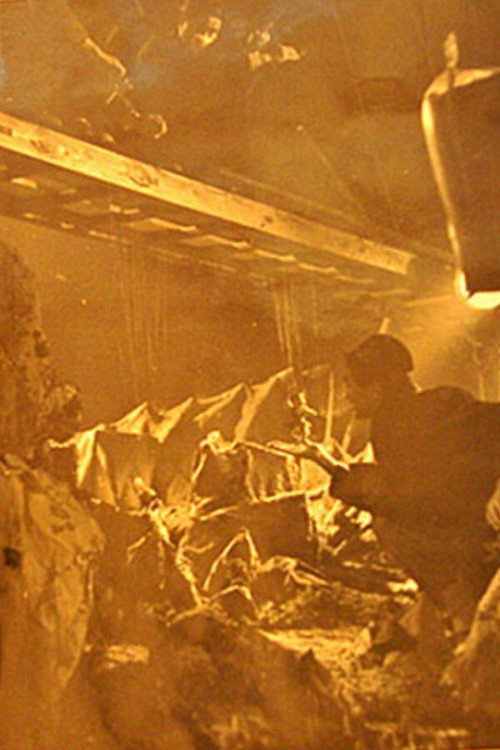
Ramayana 1942
Dive into the enchanting world of Hiroshi Shimizu's 1942 fantasy short *Ramayana (1942)*, a visually captivating adaptation of the ancient Indian epic.
Director: Hiroshi Shimizu
Cast
Frequently Asked Questions
What is Ramayana (1942) about?
This 17-minute Japanese short film retells a pivotal moment from the *Ramayana* epic, where the demon king Ravana performs a mystical dance with enchanted animals before abducting Sita. The story culminates in the burning of Lankapura, symbolizing the chaos that follows Ravana's villainy. Director Hiroshi Shimizu infuses the myth with a dreamlike, almost cinematic poetry.
Who directed Ramayana?
Hiroshi Shimizu, a Japanese filmmaker known for his innovative visual storytelling, helmed *Ramayana* in 1942.
Who stars in Ramayana?
The film features Ryunosuke Kabayama in the central role, embodying the mythical villain Ravana.
Is Ramayana (1942) worth watching?
While unrated on IMDb, *Ramayana (1942)* offers a rare glimpse into early Japanese fantasy animation, blending mythology with Shimizu's distinctive style. Though brief, its artistic ambition makes it a fascinating watch for fans of vintage fantasy films or cultural adaptations.
How long is Ramayana?
The runtime for *Ramayana* is 17 minutes.
About Ramayana (1942) — Hiroshi Shimizu's Mythic Fantasy Short Explored
Dive into the enchanting world of Hiroshi Shimizu's 1942 fantasy short *Ramayana (1942)*, a visually captivating adaptation of the ancient Indian epic. This 17-minute Japanese film reimagines the mythological tale with a dreamlike atmosphere, focusing on Ravana's dramatic dance with enchanted animals before his sinister kidnapping of Sita. As the mythical city of Lankapura blazes in the background, the contrast between divine beauty and impending doom creates a hauntingly poetic mood. Shimizu's direction infuses the story with a sense of urgency and mythic grandeur, making it a unique entry in early 20th-century fantasy cinema.
Often overlooked in favor of longer adaptations, Shimizu's *Ramayana* stands out for its brevity and stylistic ambition. While brief, the film captures the essence of the epic's tension between good and evil, wrapped in a surreal, almost hypnotic visual style. Its inclusion in the fantasy genre highlights its role as a rare cultural crossover, blending Japanese animation techniques with Indian mythology to create something truly distinctive for 1942 audiences.