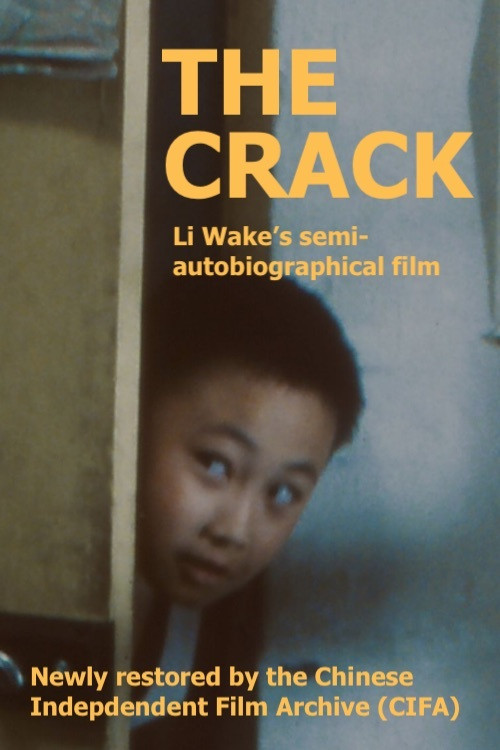
The Crack 2002
Li Wake's stark 2002 independent drama *The Crack (2002)* is a haunting exploration of China's Cultural Revolution, crafted with raw intimacy on 35mm film and screened only four times in limited circles.
Director: Li Wake
Frequently Asked Questions
What is The Crack (2002) about?
*The Crack* is a semi-autobiographical film that captures the psychological and emotional fallout of China's Cultural Revolution through the lens of one filmmaker's personal reckoning. It links the country's scar literature and roots-seeking movements of the 1980s with the bold, experimental performance art of later decades.
Who directed The Crack?
Li Wake directed *The Crack* (2002). He is credited with crafting this introspective film as a bridge between generations of Chinese art and literature.
Who stars in The Crack?
Cast details for *The Crack* are not publicly listed.
Is The Crack (2002) worth watching?
*The Crack* (2002) is a rare cinematic treasure for those interested in the intersections of history, psychology, and avant-garde art. Its cultural significance outweighs its limited screenings, offering a unique perspective on a turbulent era in Chinese history.
How long is The Crack?
*The Crack* runs for 101 minutes.
About The Crack (2002) — A Rare, Semi-Autobiographical Glimpse into China's Cultural Revolution
Li Wake's stark 2002 independent drama *The Crack (2002)* is a haunting exploration of China's Cultural Revolution, crafted with raw intimacy on 35mm film and screened only four times in limited circles. This semi-autobiographical work bridges the rebellious roots-seeking art of the 1980s with the bold, often provocative performance art that emerged in the decades that followed. Set against a backdrop of ideological suppression, the film delves into the psychological fractures left by enforced repression, examining how extreme denial shapes hidden desires and neuroses. Its atmosphere is tense and introspective, blending historical weight with deeply personal storytelling.
The Crack (2002) stands as a quiet rebellion in itself—a cinematic artifact that transforms collective trauma into visceral, unsettling art. By grounding China's avant-garde impulses in raw human experience, Wake's film challenges viewers to confront the lingering scars of a society shaped by silence and control. Though obscure in release, its significance in tracing the lineage from scar literature to radical performance art gives it lasting cultural weight.